
In the current industrial world, smart solar inverters are vital tools. They connect renewable energy production to smart management systems. This helps factories, data centers, and large-scale facilities run smoothly and in an eco-friendly way. With solar use growing fast in various sectors, the need for IoT-linked and AI-guided setups keeps rising.
ZLPOWER has positioned itself at the forefront of this evolution. Shenzhen ZLPOWER Electronics Co., Ltd. is a national high-tech firm focused on developing, making, and selling UPS power supply, Power Inverter, Solar inverter, car charging pile, and EPS Power supply. The firm’s IoT smart solar inverters combine AI diagnostics with remote monitoring. This gives industrial users real-time views of system condition and output.
.jpg)
By 2026, IoT integration and predictive maintenance will shape the coming advances in solar setups. Smart data tools will predict breakdowns. They will also handle energy adjustments on their own. As a result, industrial work becomes tougher against problems.
Industrial solar setups have grown from fixed units into active networks driven by data smarts. Smart solar inverters sit at the heart of this shift. They handle power changes. At the same time, they keep checking voltage, current, and weather factors to hold steady efficiency.
For sectors that work non-stop—like manufacturing sites or shipping centers—these inverters keep things running without breaks. They balance power needs and cut reliance on the main grid. The move to smart tech lets workers monitor multiple sites remotely without manual inspection.
Distant oversight helps experts spot odd patterns early. These could turn into expensive halts if ignored. Also, AI checks look at huge data sets from built-in sensors in the inverter. This pair of skills changes upkeep from fixing after issues to spotting them ahead. It’s a key edge for industrial teams handling large power systems.
ZLPOWER’s method matches this overall pattern. It pairs strong parts withintelligent software that adapt to daily use. Over time, this boosts dependability.
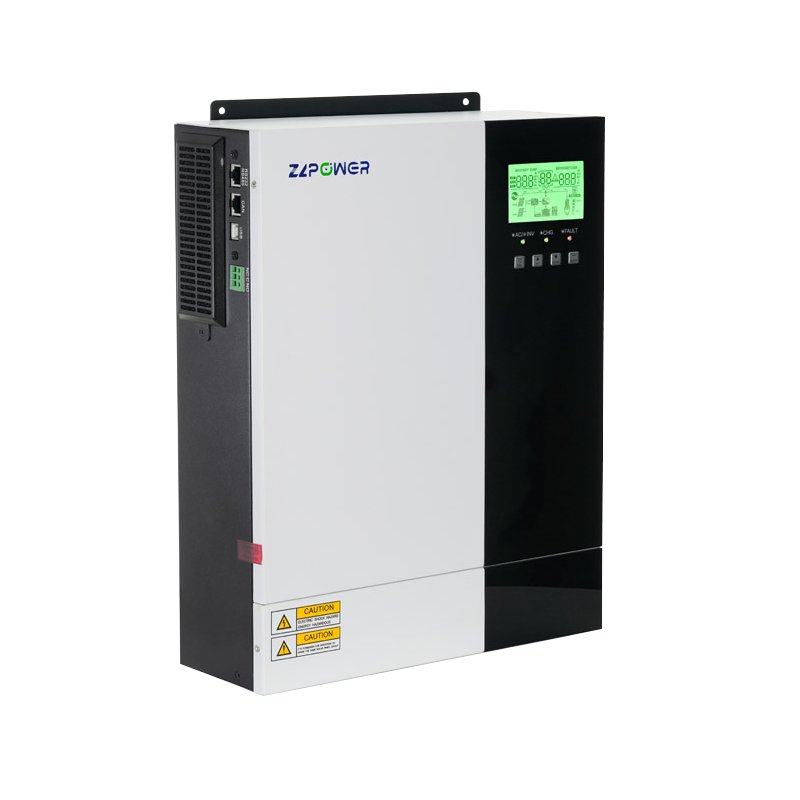
ZLPOWER’s line of IoT smart solar inverters blends cutting-edge digital handling with real-time communication technologies built for today’s industries. The solar inverter, with its solid smart build, works well in varied settings—from factory roofs to remote field installations.
Key features include:
|
Feature |
Description |
|
Real-Time Monitoring |
Continuous tracking of voltage levels, load distribution, and power output through connected dashboards. |
|
AI-Powered Analytics |
Machine learning algorithms detect performance deviations early and recommend corrective actions automatically. |
|
Remote Diagnostics |
Engineers can troubleshoot issues via mobile or cloud interfaces without on-site intervention. |
|
Battery Independence |
Many models like PVG and PVM Plus can operate even without batteries connected—ideal for hybrid setups. |
|
MPPT Solar Charge Controller |
PVG is equipped with MPPT solar charge controller to maximize and regulate DC power from the solar array for charging the battery bank. |
These skills let companies follow energy results over various sites. They also cut stoppages from mistakes or slow fixes.
On top of that, ZLPOWER’s inverters fit right into the worldwide push for digital tools in energy handling. By adding RS232 ports and Wi-Fi links (like in the GSII series models), they back easy IoT talk setups. These tie all energy parts into one digital space.
Forward-looking upkeep marks a big change from old routine checks to active care based on live data reviews. In industrial solar uses—where steady work ties straight to earnings—this way proves priceless.
ZLPOWER’s AI check parts keep reviewing inverter details like heat shifts, wave distortions, or power unevenness. When odd signs show up, the programs mark likely part wear or breakdown well before it happens for real.
For instance, an inverter under big loads might display climbing inner resistance over weeks. Then, AI reviews will warn workers right away via far-off screens. This starts safety fixes instead of rush jobs.
Such forward skills cut surprise halts by up to 40 percent. They also stretch gear life a lot. Fix teams can plan work during quiet times. They avoid reacting in busy hours. This minor tweak brings huge savings in the long run.
Factory workers gain from these details not just via less stop time. They also see better use of assets and smarter money plans for growth ahead.
Distant watching has turned into a main pillar of fresh industrial energy plans. For wide solar groups across many places, central views are a must.
Via ZLPOWER’s distant watching tools—linked through RS232 or SNMP ports—workers get hold of live system facts. These cover output voltage steadiness, error past records, and MPPT tracking rates.
The gains show clearly:
· Instant Fault Detection: Alerts trigger automatically when parameters deviate beyond thresholds.
· Performance Optimization: Continuous feedback loops allow fine-tuning of inverter settings remotely.
· Reduced Site Visits: Technicians diagnose issues digitally before dispatching field teams.
· Extended System Lifespan: Consistent oversight prevents minor inefficiencies from escalating into hardware damage.
Plus, central screens let company energy heads who watch over several factorys compare output facts next to each other. This is key for groups chasing ISO14001 green goals or ESG report rules.
By cutting hands-on work while keeping clear views of operations, distant watching makes sure every bit of power made adds to work output. It avoids loss from waste or oversight.
As sectors head to full-linked setups by 2026, IoT-led auto tasks will lead how energy systems run and link with wider networks.
ZLPOWER has advanced production and testing equipments and an excellent R&D and management team to ensure product innovation and stability. This foundation places its smart solar answers firm in rising IoT setups. There, every device communicates seamlessly across cloud-based grids.
The firm’s mixed models like GSII series already include Wi-Fi talk parts. These let ties into smart factory spaces. It’s a glimpse of mid-decade industrial auto work.
By joining clever handling codes with tough part build rules like CE and UL approvals (ZLPOWER has passed ISO9001 and ISO14001 certificates.), ZLPOWER backs worldwide pushes for green making run by fresh sources.
These fresh ideas not only raise work freedom. They also help cut carbon aims set by global weather plans. It’s a main move to hit zero-waste industrial work everywhere.
Smart solar tech is reshaping how sectors use power. ZLPOWER stands at its core. With IoT links, forward data checks, and AI diagnostics in every design, these systems lift both efficiency and reliability in tough tasks.
Industrial leaders seeking resilience against future disruptions should explore ZLPOWER’s range of IoT smart solar inverters today—future-proofing their facilities for 2026’s connected energy era where intelligence meets sustainability seamlessly. For more information, contact ZLPOWER and discover how to help optimize your energy systems.
A: IoT-enabled solar inverters connect directly to cloud platforms for continuous monitoring of performance metrics such as voltage stability or output efficiency. In industrial settings, they allow centralized control across multiple facilities while reducing manual maintenance costs through automated alerts.
Q2: How does AI diagnostic technology work in ZLPOWER’s smart solar inverters?
A: AI diagnostic technology analyzes data from the system to predict failures, providing early warnings and preventing costly downtime.
A: Predictive maintenance uses real-time analytics rather than fixed schedules to determine when servicing is needed. For large-scale factorys relying on uninterrupted power flow, it prevents unexpected breakdowns while optimizing resource allocation for technicians.
Q4: How does remote monitoring improve solar system efficiency and performance?
A: Remote monitoring provides real-time performance tracking, allowing immediate issue detection, optimization, and preventive actions to ensure continuous efficiency.
Q5: What trends in IoT and solar energy should industrial businesses expect in 2026?
A: Expect smarter, autonomous systems, integration with smart grids, and data-driven decisions that enhance energy efficiency and sustainability in solar energy.
 ChatNow
 Vania
Vania