
In commercial solar installations, inverter capacity shapes how well energy gets converted and put to use. When a solar inverter is sized right, it cuts down on energy waste during DC-to-AC conversion. The system stays closer to its best operating point. For instance, a correctly rated hybrid inverter with an advanced MPPT controller tracks the best voltage-current ratio from solar panels. This happens even when sunlight changes often. Businesses get more energy out of their photovoltaic arrays as a result.
A well-matched inverter also improves ROI. It helps parts last longer and cuts down on how often maintenance is needed. Savings from better conversion add up over time and show clear financial gains. An oversized or undersized inverter, by contrast, shortens system life. It raises running costs through wasted energy and extra cycling between charge and discharge states.
Over-sizing can look like a safe choice for later growth. Yet it often brings higher upfront costs and lower efficiency when loads stay light. The inverter runs below its best range and leaves conversion capacity unused. An undersized unit meets overloads more often. Heat builds up and puts stress on parts such as capacitors or transformers. In hybrid systems with batteries, wrong sizing speeds up battery wear through uneven charge cycles or deep discharges. This shortens battery life and can harm connected equipment.
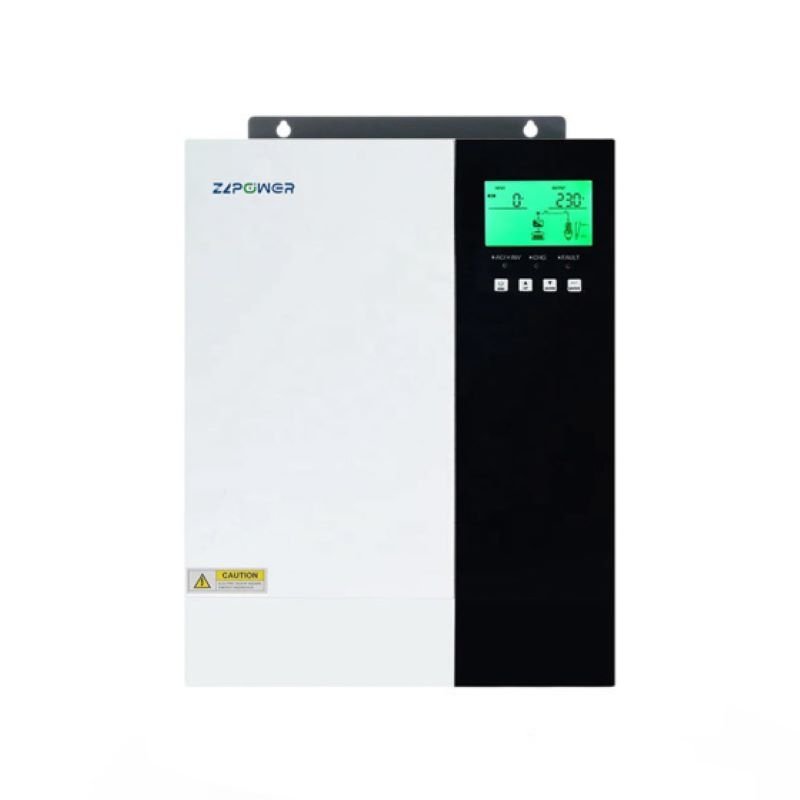
A good first step in any B2B solar design is a full load check. Measure daily energy use in kWh, note peak demand times, and separate inductive loads like motors or compressors from resistive loads like lighting or heating. Inductive devices draw extra current at startup. A clear load review shows whether a 5 kW or 10 kW hybrid inverter matches daily needs without extra strain during busy periods.
Commercial sites change over time. Planning for new machines, electric vehicle chargers, or extra space avoids the need for a full system swap later. Choosing an inverter series that allows parallel connection or modular add-ons makes growth easier. ZLPOWER’s product range covers capacities from small setups to large ones and gives room to grow.
The choice between grid-tied, hybrid, or off-grid systems affects capacity decisions. Grid-connected setups can draw utility power at peak times, so smaller inverters often work. Off-grid or hybrid designs must carry the full load on their own while managing battery storage through MPPT control. PVG comes with an MPPT solar charge controller that takes DC power from the solar array and regulates it for the battery bank. This keeps performance steady when sunlight varies, which matters in remote industrial sites.
PVM PLUS is a third-generation off-grid inverter with several updated features. These models fit offices, retail shops, and small factories where steady power quality counts more than very high capacity. They give pure sine wave output for sensitive electronics and include built-in MPPT controllers that respond fast to changing light levels.
Key highlights:
· Compact design with LCD interface
· Battery-independent operation when needed
· MPPT-based charging up to 100 A
· USB on-the-go function for data management
LCD display of PVG high frequency solar inverter shows settings clearly and buttons are easy to reach. Warehouses or multi-building sites that need steady output under changing loads can use these models. They deliver up to 5.5 kW per unit with pure sine wave output and surge protection up to 11 kVA. The PVX version adds dual output channels that separate critical loads from non-critical ones. This helps keep production lines running.
GSII 8KW 10KW 12KW Split Phase Hybrid Solar Inverter works with LifePO4 batteries even without communication, as well as AGM, GEL, and deep-cycle batteries. These units suit large commercial sites such as industrial parks or agricultural processing plants. GSII supports split-phase output, offers Wi-Fi monitoring, and includes several protection features like anti-interference circuits and adjustable voltage control.
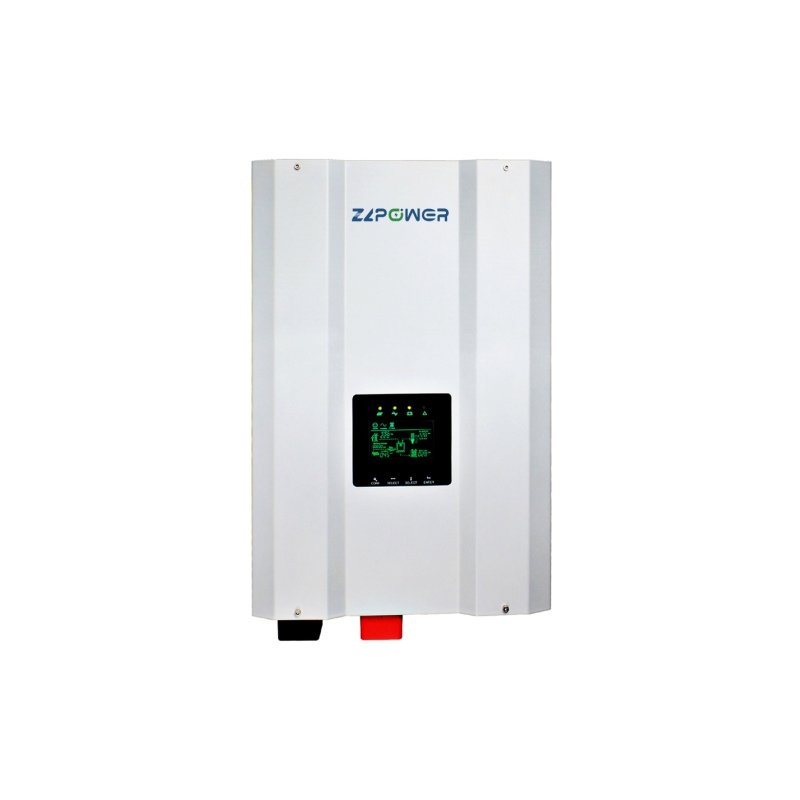
ZLPOWER places high-performance MPPT controllers in most models. They keep power extraction steady even when panels face shade or temperature swings. PVX 4.0K-6.0K Off-Grid dual output Inverter has a built-in 100A MPPT solar charger. The controller adjusts panel voltage throughout the day to reach good conversion results.
ZLPOWER hybrid inverters work with lithium-ion and lead-acid batteries through adjustable charge settings and equalization steps that help batteries last longer. Battery equalization function improves battery performance and extends service life. Pure sine wave output also keeps sensitive devices such as medical tools or servers running without added electrical noise.
Industrial users gain from dual-output designs that keep essential circuits separate from auxiliary ones like lighting or HVAC during limited supply periods. This load management supports uptime during outages and reduces extra drain on backup batteries.
Many ZLPOWER models accept a wide input range up to 500 VDC and use a unity power factor design. This delivers the full rated wattage without reactive losses. Pure power factor 1.0 and high PV input voltage range make array setup simpler while keeping AC output stable under different grid conditions.
Businesses should gather equipment wattage ratings and running hours to find average daily use in kWh. Peak demand multipliers help set surge needs, especially when motor-driven machines start at the same time.
|
Load Type |
Example Equipment |
Surge Factor |
Notes |
|
Resistive |
LED lighting |
×1 |
Constant draw |
|
Inductive |
Air compressor |
×3–6 |
High startup current |
|
Mixed |
Office + HVAC |
×2–3 |
Depends on simultaneity |
After total demand is known, pick an inverter rated about 20% above continuous need. This gives some headroom without going too far over actual load.
For grid-tied projects that want export capability, choose models built for synchronized AC output. Remote industrial sites gain more from off-grid or hybrid setups that run on their own with integrated MPPT controllers.
Long-term results depend on both hardware and ongoing service. ZLPOWER has passed ISO9001 and ISO14001 certificates. Its products appear in fields such as military, finance, transportation, communications, electric power, medical care, and industry. Buyers should check that technical documents are available, warranty terms cover manufacturing defects, and spare parts or firmware updates remain accessible.
Picking the right inverter capacity stays key to steady performance in commercial solar projects. ZLPOWER’s lineup—from compact PVM units through mid-range PVG and PVX models up to high-capacity GSII hybrids—gives scalable options for different business sizes. Their pure sine wave output, flexible battery support, built-in MPPT control, and dual-load management help companies balance cost and reliability while gaining steady energy returns. Contact ZLPOWER to discuss your project and identify the best inverter capacity for your B2B needs in 2026.
Look at total daily energy use in kWh along with peak demand periods. Add room for inductive equipment surges and any planned facility growth when sizing the solar inverter system.
Each model uses an advanced MPPT controller. It adjusts voltage and current ratios so panels stay near their best power point even when shading or temperature shifts occur.
The PVX series offers dual outputs that help process plants separate critical loads. GSII hybrids handle higher capacities up to 12 kW and work with lithium batteries, making them suitable for manufacturing sites.
Keep oversizing within about 20% of actual load to avoid lower part-load efficiency. Undersizing leads to heat stress and shorter life for both inverter parts and batteries.
Confirm the chosen hybrid inverter supports both lithium-ion and lead-acid batteries and offers dual-output function to separate critical circuits. This feature appears on many ZLPOWER models, including PVX4–6K units that include integrated MPPT chargers.
 ChatNow
 Vania
Vania