
As power quality challenges intensify and grid outages become more frequent, companies across manufacturing, healthcare, telecom, and commercial campus sectors are reassessing how they secure reliable electricity. Traditional solar setups can lower energy bills, but without backup strategies, they stop working the moment the utility fails. That’s where the ZLPOWER hybrid solar inverter with UPS backup enters the conversation.
Combining solar energy conversion, battery energy storage, and UPS-grade power continuity, this integrated solution goes beyond basic PV inverters. ZLPOWER — a company with well over a decade of experience in power electronics and energy storage — has carved out a strong reputation for systems that serve both renewable generation and industrial resilience. Its hybrid portfolio now plays a key role in commercial power strategies as 2026 approaches.
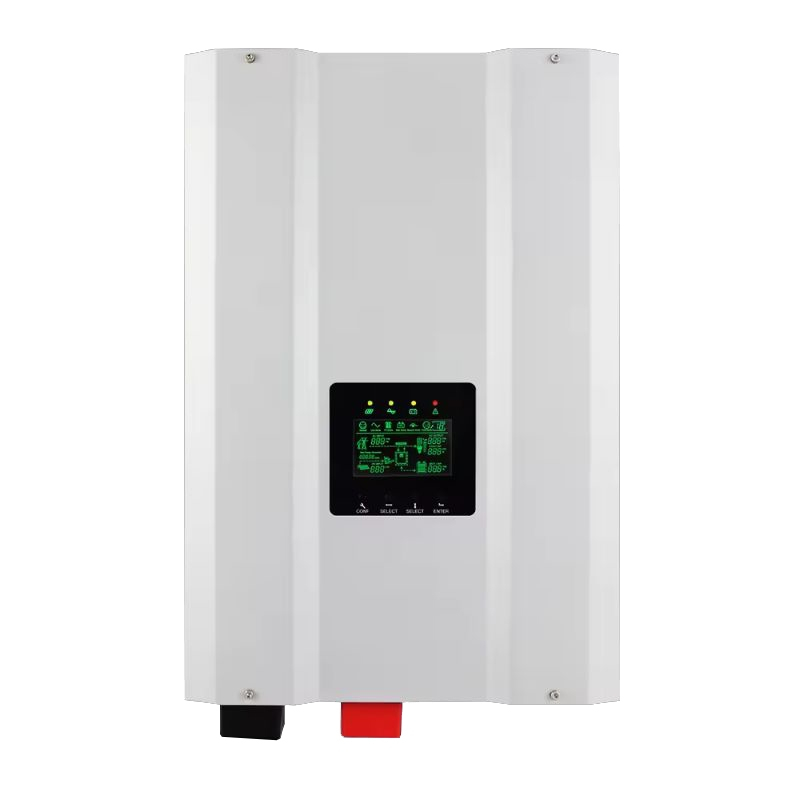
In simple terms, a hybrid solar inverter brings together three energy functions that used to be separate pieces of equipment:
· Solar DC-to-AC conversion through PV input
· Battery charging and discharge management
· UPS (Uninterruptible Power Supply) backup for seamless transfer during outages
A conventional grid-tie solar inverter shuts down within milliseconds of a utility failure to protect linemen. But a hybrid solar inverter with UPS backup continues powering critical equipment by switching to stored energy from batteries. For facilities that cannot afford interruptions, this difference isn’t subtle — it’s essential.
Imagine a production line with sensitive electronics suddenly losing power. Or a hospital wing with life-critical devices experiencing a brief brownout. In those moments, UPS-grade backup is not a luxury — it’s a necessity.
ZLPOWER’s hybrid solar systems are designed to deliver that kind of resilience. By merging energy harvesting, storage, and continuity logic into one unit, they reduce installation complexity and provide a stronger continuity narrative for investors and compliance teams focused on uptime.
A hallmark of any good UPS solution is how fast it can switch from grid power to backup energy. Whereas a standard solar inverter might take tens of milliseconds before shutting down, the ZLPOWER hybrid solar inverter with UPS can switch within milliseconds to battery power when the grid fails. That performance protects:
· Data center servers
· Hospital equipment
· Industrial PLCs and motors
· Telecom gear
Smooth transfer preserves operational integrity — and often prevents cascading failures that can cost businesses thousands of dollars per minute.
Solar yield matters, especially when part of your energy strategy hinges on stored power later in the day. ZLPOWER units typically include multiple MPPT (Maximum Power Point Tracking) inputs, allowing different strings of PV panels to operate independently at peak efficiency. That means more solar energy harvested per panel and fewer wasted watts — an important advantage when sizing energy storage systems and predicting backup duration.
One of the reasons commercial buyers are gravitating toward hybrid setups is scalability. ZLPOWER’s hybrid inverter line supports parallel expansion, meaning that as loads grow, systems can be expanded without replacing the core inverter infrastructure.
This trait matters in campuses, industrial parks, and multi-tenant buildings where phase-in deployments are common. You can start with a smaller energy storage system and add capacity later — a budget-friendly way to meet continuity goals without overspending upfront.
For energy managers and facility directors, seeing what’s happening — not just assuming — is critical. ZLPOWER hybrid inverters often include:
· Wi-Fi or LAN connectivity
· Mobile and desktop dashboards
· Real-time state-of-charge and load tracking
Such visibility allows faster troubleshooting and better planning for maintenance windows or future expansions.
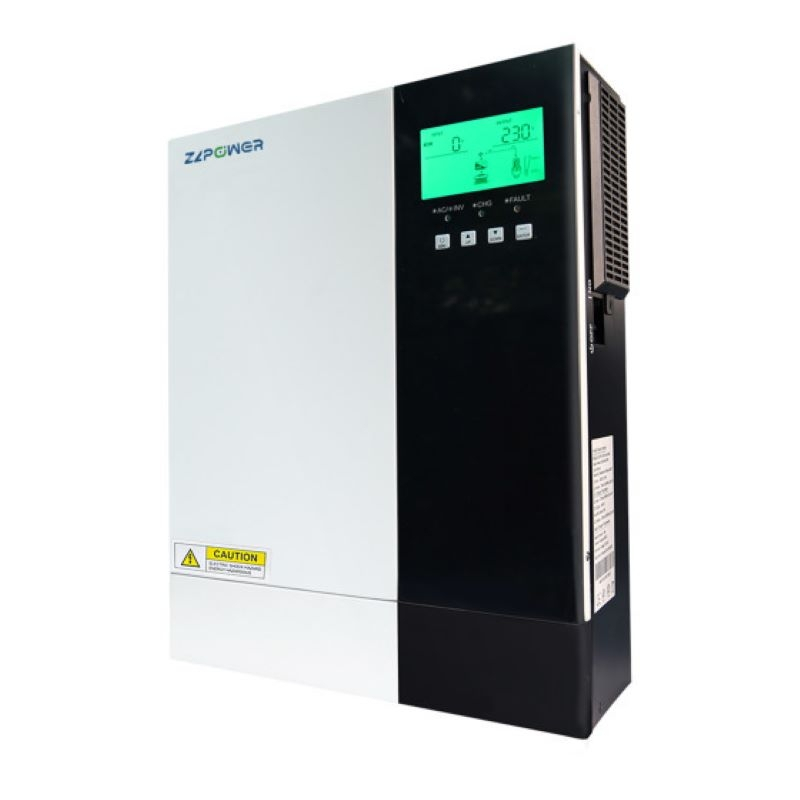
ZLPOWER hybrid systems monitor voltage levels and frequency to manage energy flows intelligently:
1. Daytime with grid present: Solar powers loads and charges batteries.
2. Grid outage: Backup kicks in instantly from battery store.
3. Solar available during outage: Solar continues to feed loads and charge batteries if sunlight is strong.
This logic reduces reliance on fossil generators and extends autonomy with stored energy — a win for both sustainability goals and operational budgets.
Different commercial sites have different definitions of “critical load.” In a medical setting, it might be ventilators and imaging equipment. In a factory, robotic welders and PLC systems. ZLPOWER hybrid solutions allow users to define which circuits must stay live and which can be shed to preserve battery life during extended outages.
That kind of load management flexibility is often overlooked in basic solar articles, but for procurement teams and engineers, it’s a deciding factor in system selection.
When evaluating hybrid solar systems for commercial power continuity, a few planning considerations can make a big difference in performance and total cost of ownership:
A common mistake is selecting inverters based only on peak load numbers without considering backup duration. Proper sizing requires:
· Listing all critical equipment and their power draw
· Determining desired backup hours
· Accounting for battery efficiency and expected depth of discharge
ZLPOWER’s technical team can help model scenarios, but having this data upfront speeds procurement and design.
Industrial facilities often face more stringent code requirements than residential sites. Look for UL, CE, and other regional certifications relevant to your location. ZLPOWER’s products are built with industrial safety and compliance in mind, helping reduce permitting delays.
Commercial energy projects rarely stay static. Buildings expand, demand grows, and energy strategies evolve. Because ZLPOWER hybrid inverters support parallel systems, buyers can plan for staged rollouts that align with capital budgets and build schedules.
With smart energy management systems gaining traction in corporate settings since 2026 onwards, it will be inevitable to see hybrid inverters equipped with UPS backup systems quickly become one of the essential elements for power continuity planning. By integrating solar energy conversion, battery storage, and UPS-grade performance into a unified system, ZLPOWER stands out as a trusted partner for businesses that cannot tolerate downtime.
From factories and healthcare institutions to data centers and campuses, hybrid systems assist in handling risks and stabilizing energy expenses - all within the larger context of sustainability objectives.
For commercial energy project leaders looking to evaluate hybrid solar and UPS solutions tailored to their specific load profiles and continuity requirements, ZLPOWER offers technical support, scalable products, and real-world installation experience. Contact ZLPOWER today to assess the right hybrid solar inverter and battery configuration for your next project.
Q1: What makes ZLPOWER hybrid solar inverters different from standard inverters?
A: They integrate solar conversion, battery storage, and UPS backup, keeping critical loads powered during grid outages.
Q2: How does the UPS backup function work?
A: Instantly switches to battery power during utility failures, maintaining electricity for sensitive equipment.
Q3: Can these inverters scale for larger commercial projects?
A: Yes, parallel expansion allows multiple units to increase storage and output for industrial or campus-scale installations.
Q4: Are they suitable for three-phase industrial environments?
A: Absolutely, rugged three-phase inverters support heavy commercial and industrial loads.
 ChatNow
 Vania
Vania