
A factory does not need a long blackout to lose time. Sometimes a short voltage dip is enough. A pump stops mid-cycle, a PLC cabinet throws an alarm, and the line waits while someone restarts the sequence.At a telecom shelter, repeated grid interruptions may force the system to rely on batteries more often, or start the generator again after only a few hours. In a remote microgrid, the problem may show up after sunset, when solar output is gone and the battery suddenly has to carry every important load.
A three-phase hybrid off-grid inverter is built for sites that need stable backup power when the grid is weak, unavailable, or supported by solar, batteries, and generators. ZLPOWER’s 380V/415V three-phase hybrid off-grid solar inverter is designed for commercial and industrial backup power systems that combine solar panels, batteries, and AC loads.
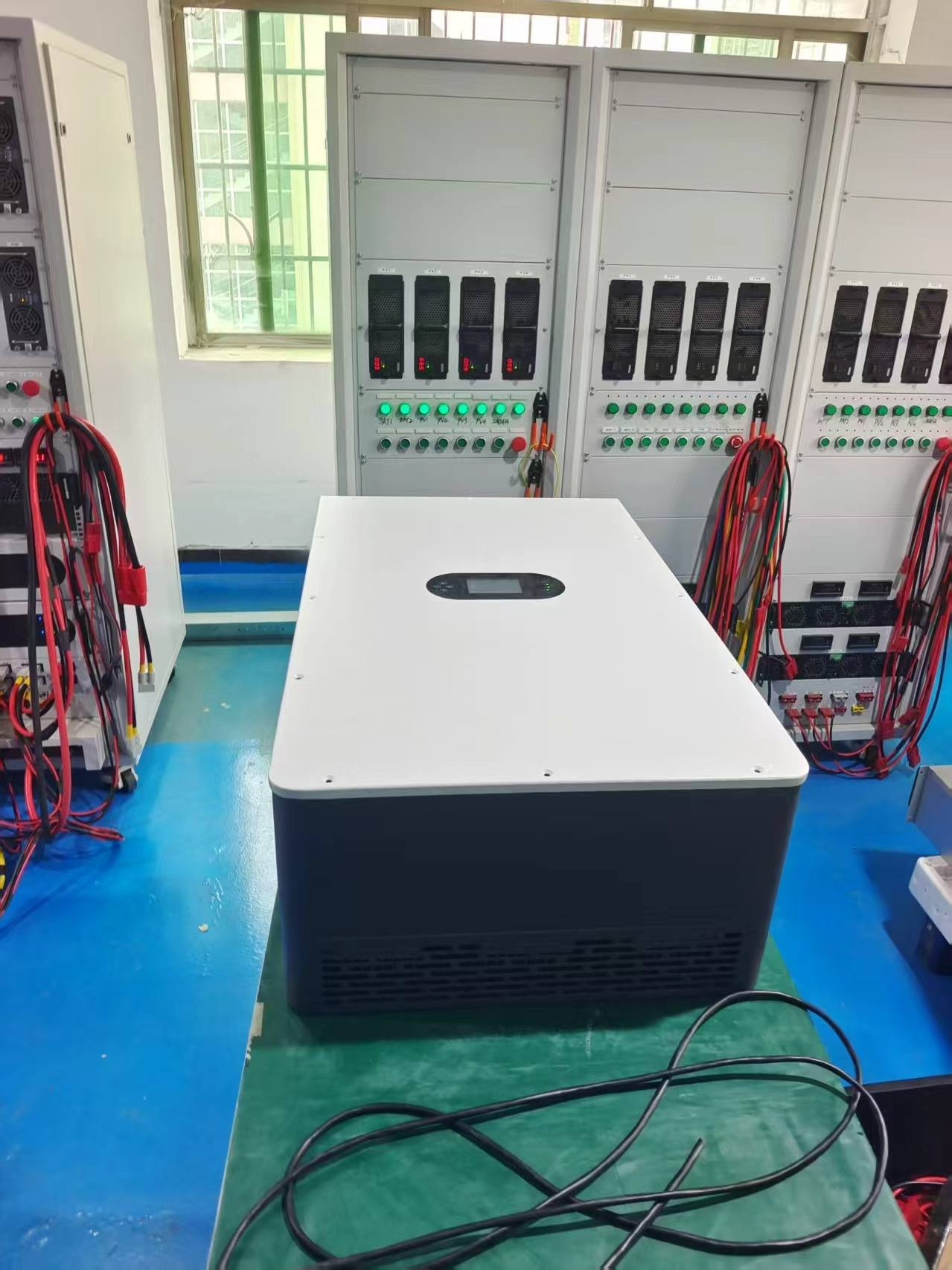
For factories, telecom stations, microgrids, and remote facilities, the goal is not to keep every device running. The real target is more practical: protect the circuits that keep the site safe, controlled, and recoverable.
Factory loads behave differently from office loads. Motors, pumps, compressors, fans, HVAC units, and production machines often need three-phase power. They also need enough surge capacity during startup.
That startup moment is where many backup power designs go wrong. A motor rated at 15 kW may pull several times that level for a short period. On paper, the total load may look fine. On site, the inverter may trip before the motor reaches normal speed.
A factory backup power system should not be sized only by rated power. Running load, starting current, voltage level, battery discharge capability, and load priority all need to be checked together.
A full outage is easy to see. Weak-grid power is harder to manage. Voltage drops during peak hours. The supply cuts in and out. Frequency may drift. Equipment still receives electricity, but not clean enough power to run smoothly.
These small problems create real losses. Operators reset alarms. Machines stop at the wrong point. Telecom technicians get sent to sites that should have stayed online. A generator starts more often than planned, which means more fuel, more service, and more wear.
A three-phase hybrid inverter with battery storage can help carry priority loads through these unstable periods. Solar can support daytime demand, batteries can cover short outages or night operation, and a generator can remain as a backup layer instead of becoming the first answer every time the grid flickers.
Most factories should not back up the whole building. That usually makes the system larger, more costly, and harder to manage. A better plan is to separate critical circuits from non-essential loads.
Priority circuits may include PLC cabinets, pumps, control systems, safety lighting, access control, monitoring devices, and selected production equipment. Office outlets, decorative lighting, and comfort loads can often stay outside the backup circuit.
This approach keeps the battery bank realistic. It also makes inverter selection more accurate. A commercial backup power system should protect the equipment that keeps production safe and recoverable, not every small load in the facility.
Telecom backup power has a different pattern. The load may be steady, but the site may be far away, hot, dusty, and expensive to service. Diesel generators still matter, but fuel delivery and maintenance visits can become a major operating cost.
A hybrid off-grid inverter can work with solar panels and batteries to reduce generator runtime. During the day, solar energy supports telecom equipment and charges the battery bank. At night or during a grid failure, stored energy carries the load. The generator can stay in the system, but it does not need to run as often.
For telecom projects, overnight runtime often matters more than a large power rating. A system that performs well in daylight but fails before morning has not solved the main problem.
Microgrids need steady control from mixed energy sources. Solar output changes by the hour. Loads rise in the evening. Batteries charge and discharge. In remote farms, island facilities, mine support sites, industrial parks, and small communities, the inverter becomes part of the local power structure.
A three-phase off-grid inverter helps connect solar energy, battery storage, and AC loads into one working system. The benefit is not only lower diesel use. It is steadier power, fewer interruptions, and better control when the main grid is weak or unavailable.
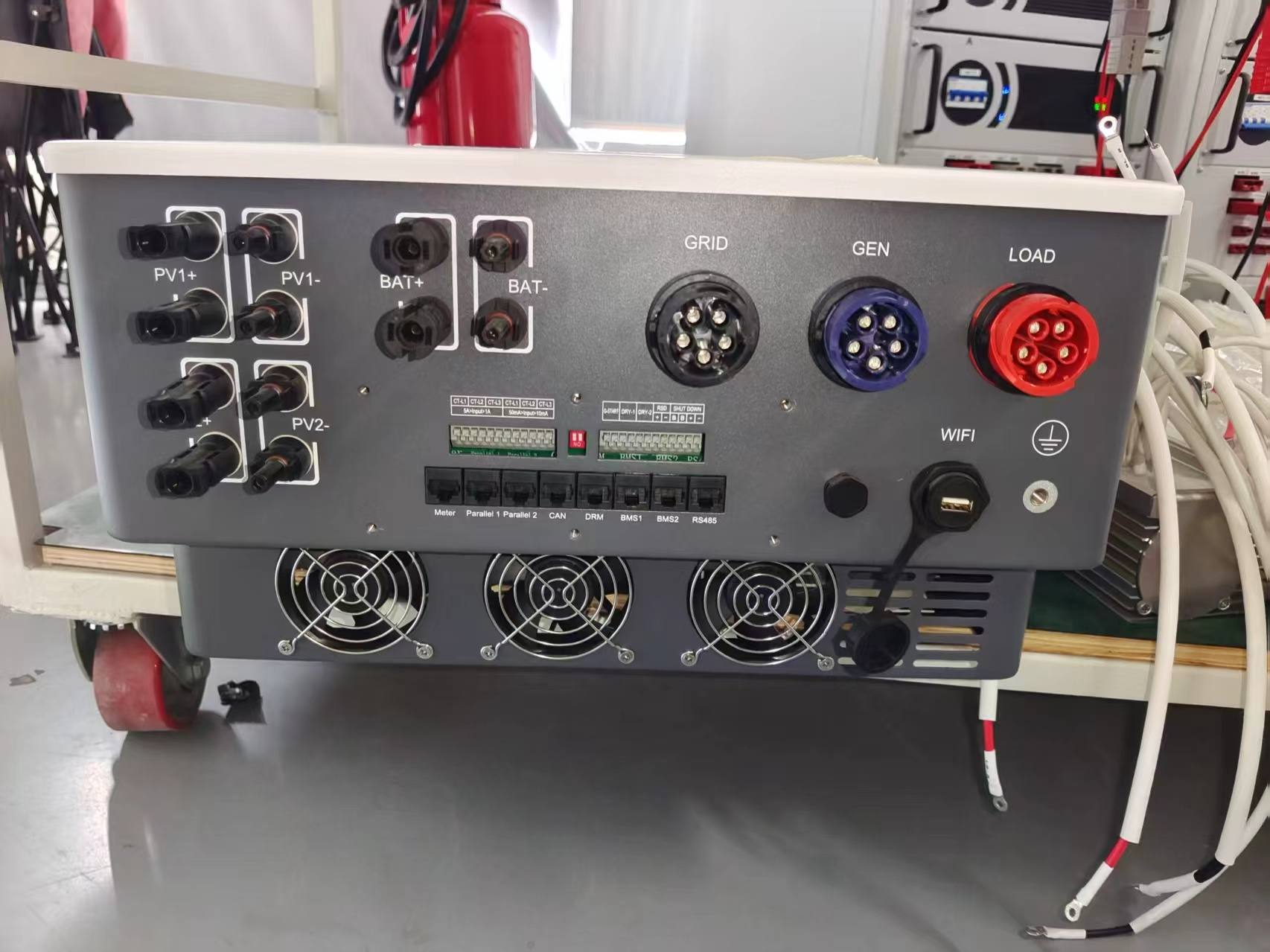
ZLPOWER’s three-phase hybrid off-grid solar inverter is designed for 380V/415V systems, which makes it suitable for many commercial and industrial power environments. This voltage range is commonly found in factories, larger telecom facilities, and local power systems with heavier AC loads.
For projects searching for a three-phase solar inverter with battery backup, the 380V/415V range is often a key starting point. Matching the inverter voltage to the site’s electrical design can also make installation and system integration cleaner.
The product includes MPPT solar charging and dual PV input. These features are useful in real installations because solar conditions are rarely perfect. A factory roof may have panels facing different directions. A telecom site may have limited mounting space. One section of the array may get shade in the afternoon. Dual PV input gives system designers more room to work with those site conditions.
As an industrial solar inverter solution, the final selection should still be tied to the project load rather than the product name alone. Site voltage, load list, motor startup current, backup time, PV capacity, battery type, and future expansion all affect the final system design.
A practical critical-load list should include rated power, startup behavior, operating hours, voltage, and backup priority. Motor loads need special attention because surge current may be much higher than normal running current.
For a factory, this may mean separating PLCs, pumps, and safety systems from office loads. For telecom backup power, it may mean checking the radio equipment, cooling load, rectifier system, and night runtime. For microgrids, it may mean studying evening demand as carefully as daytime solar production.
An accurate load list usually saves more time than choosing a larger inverter too early. It also helps avoid a common problem: paying for extra capacity while still missing the real surge or runtime requirement.
Battery sizing should follow the actual work pattern. A factory may need 30 minutes to finish a process or shut equipment down safely. A telecom site may need several hours or a full night. A remote microgrid may need longer backup when fuel delivery is slow or weather is unstable.
More battery capacity is not always the best answer. The better answer is usable capacity matched to the real load, with enough margin for battery aging, high temperature, repeated cycling, and future equipment growth.
Solar input is not only about peak power at noon. The system also needs enough PV capacity to recharge batteries after repeated outages or heavy night use.
For industrial backup power, recovery time matters. If the battery does not recharge fast enough during the day, the system may be weaker during the next outage. This is especially important for telecom sites and remote facilities that face frequent grid interruptions.
Industrial sites rarely stay the same. A new pump, extra cooling equipment, another production line, or added telecom cabinet can change the load profile quickly.
Good system planning should leave room for inverter capacity, battery space, PV input, cable sizing, protection devices, and ventilation. These details are easy to ignore during early selection, but they often decide whether the system still works well after one or two years.
Three-phase hybrid off-grid inverters are a strong fit for sites where unstable power can interrupt real work. Factories need fewer machine faults and safer shutdowns. Telecom sites need longer backup time with fewer generator starts. Microgrids and remote facilities need a steadier way to manage solar power, batteries, and three-phase AC loads.
ZLPOWER’s 380V/415V three-phase hybrid inverter is designed for industrial backup power and solar battery backup projects that require three-phase output.
For a more accurate system recommendation, project teams can share the site voltage, critical load list, motor startup current, backup time target, available PV capacity, battery plan, and grid or generator condition with ZLPOWER. With this information, ZLPOWER can help match the inverter configuration to the site’s actual load profile, instead of selecting a system by rated power alone.
Q1: What size three-phase hybrid inverter is needed for factory backup power?
A: The right size depends on running load, motor startup current, backup time, battery capacity, and which circuits need backup. A factory system should not be selected only by the total rated power on the load list.
Q2: How does a hybrid off-grid inverter reduce diesel use at telecom sites?
A: A hybrid off-grid inverter can use solar power during the day and battery storage at night or during grid failure. This reduces the number of hours a diesel generator needs to run, especially in weak-grid or remote telecom locations.
Q3: Why does motor startup current matter in backup power design?
A: Motors can draw several times their rated power during startup. If the inverter and battery system cannot handle that short surge, the system may trip even when the normal running load looks acceptable.
Q4: Is a 380V/415V inverter suitable for industrial backup power?
A: A 380V/415V three-phase inverter is suitable for many commercial and industrial sites that use three-phase AC loads. Final selection should still be based on load type, surge demand, backup runtime, and site electrical design.
Q5: Can a three-phase hybrid inverter be used in microgrids?
A: Yes. A three-phase hybrid inverter can help connect solar power, battery storage, and AC loads in microgrid systems. Final sizing should consider load balance, battery capacity, PV input, and backup runtime.
 ChatNow
 Vania
Vania