
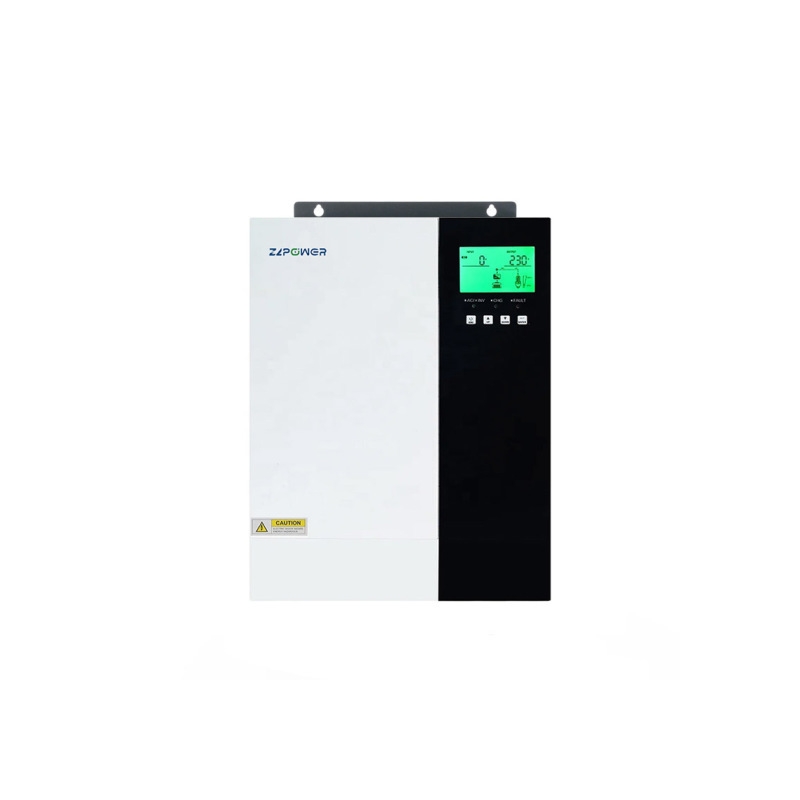
In big solar setups, the inverter does more than just convert power. It acts as the core of the whole system. This device decides how well direct current from panels turns into practical alternating current. Picking the right inverter influences overall energy output. It also impacts reliability during operations. Plus, it shapes the return on investment over many years. For massive photovoltaic installations, the options often boil down to string inverters or central inverters.
The discussion between string and central inverters has heated up. This happens as solar farms grow larger and more varied. Developers now look beyond simple cost per watt. They consider things like adaptability, detailed monitoring, and strength against issues such as overheating or sudden shutdowns. With tech moving forward, both designs keep improving. Each one fits specific needs in projects.
Shenzhen ZLPOWER Electronics Co., Ltd. is a national high-tech enterprise specializing in the R&D, production, and sales of UPS systems, power inverters, and solar inverters. With strong technical expertise and global project experience, ZLPOWER delivers reliable inverter solutions for large-scale solar applications.
String inverters are spread-out converters that link to groups of solar panels. Each one works on its own. This setup spreads out the power handling. It lets multiple maximum power point trackers adjust performance for different panel sections.
These inverters work well in spots where panels face different directions or face some shade. Each unit tweaks its output on the fly. This cuts down on losses from uneven performance. Newer versions come with clever communication tools. They allow checks and adjustments from afar. That‘s key for huge arrays on rough ground.
In major projects, operators might place hundreds of these string inverters across parts of a solar site. Their flexible design helps with building in stages. It also makes adding more capacity simple, without big redesigns.
Central inverters follow a different path. They gather direct current from lots of panel strings into a single big unit. This one device handles the switch to alternating current. These systems often rate at hundreds or even thousands of kilowatts. They connect with combiner boxes and transformers to link up with the grid.
For years, they‘ve been the go-to choice in large utility-scale plants. That‘s due to their high power handling and lower cost per watt in big setups. But their all-in-one style can complicate fixing problems. If a central inverter breaks down, a large chunk of the site‘s output might stop for a while.
String inverters rely on a scattered layout. This gives better options for arranging panels on bumpy land or sites with panels facing various ways. Central inverters focus on one main conversion spot. It streamlines the setup but reduces flexibility for uneven arrangements.
|
Feature |
String Inverter |
Central Inverter |
|
Architecture |
Distributed |
Centralized |
|
Layout Flexibility |
High – adaptable to complex terrains |
Moderate – best for uniform fields |
|
Scalability |
Modular expansion possible |
Requires larger capacity units |
String inverters shine in areas with spotty shade or dirt on panels. That‘s because each tracker works separately. It lowers losses from mismatches between groups. Central inverters usually have just a few trackers for big batches of panels. So, they can suffer more from local dips in output.
For instance, in a 50 MW farm in California‘s rolling hills, string setups captured 5% more energy yearly compared to central ones. This came from handling afternoon shadows better. ZLPOWER’s hybrid designs—like the “PVG is equipped with MPPT solar charge controller to maximize and regulate DC power from the solar array for charging the battery bank.”—show how sharp tracking keeps output steady amid changing light.
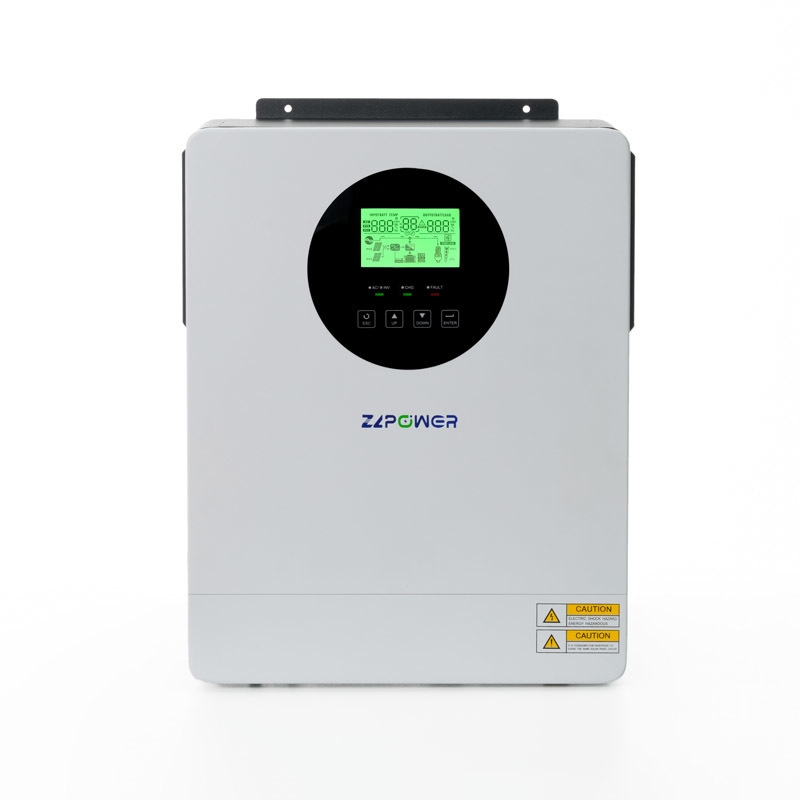
Setting up takes different amounts of time for each type. String systems need more separate hookups. But they use smaller gear that fits easily. Central setups call for cranes to move heavy pieces. Still, they involve fewer parts in total.
Cable runs differ too. String arrangements have brief direct current lines but extended alternating current ones. Central ones flip that. They demand long direct current cables that all meet at the main unit.
When it comes to upkeep, string inverters make spotting issues easier. Problems stay at the single device level. Swapping a faulty one is quick. It doesn‘t shut down whole areas of the plant.
Central inverters need skilled workers for their high-voltage parts and built-in transformers. If something goes wrong, it might knock out megawatts until fixed. In a real case from a Texas project last year, a central failure sidelined 20% of capacity for two days. That cost thousands in lost revenue.
Initial spending leans toward central inverters. They benefit from bulk savings per watt. But running costs often favor string types. They cut risks of long stops and allow fixes on specific spots instead of the whole system.
Looking at the full picture means checking buy-in price along with long-term care. This matters a lot in places prone to shutdown glitches or hot weather strains. Data from industry reports shows string systems can save up to 15% on lifetime costs in variable climates.
· String Inverters: They fit best on sloped or uneven ground where panels point in mixed directions. They‘re also great when adding sections over time is important.
· Central Inverters: These suit wide open flat areas with steady sunlight. There, straightforward design and low cost per watt lead the way.
· Hybrid Systems: Blended approaches are on the rise. They mix both: string units cover tricky edges or shaded spots, while central ones run the main steady zones.
Come 2026, inverter tech will pack in sharper tools for checks and forecasts. These can spot troubles like charger glitches or heat buildup ahead of time. Updates from remote spots will cut down trips to the site. All while meeting new grid rules.
Linking with energy storage is gaining ground. ZLPOWER’s lithium batteries offer “Longer Cycle Life, cycle life up to 3,500 times… Lighter weight, high density capacity.” Pairing them helps steady the grid. It stores extra power for busy demand times.
Today‘s units add strong grid aids, such as power factor tweaks and quick frequency adjustments. These prove vital as solar use spreads worldwide. In Europe alone, such features helped one 100 MW plant avoid penalties during a 2023 grid event.
Choosing between string or central means looking at key factors. Developers assess site details first. Then they weigh budgets. Next comes growth plans. Risk handling follows. Finally, long-term care over two decades or more.
· Site Conditions: Terrain complexity, shading patterns
· Budget Allocation: CAPEX vs OPEX priorities
· Scalability Needs: Future expansion potential
· Risk Management: Fault tolerance strategies
· Lifecycle Planning: Maintenance accessibility over 20+ years
Matching the inverter to project aims cuts lasting risks. Things like repeated shutdowns or heat issues drop away. This steadies returns through the years.
String and central inverters both play big roles in today‘s large solar builds. The pick isn‘t just one or the other. It depends on the situation. As tech grows with better checks and mixes of storage like ZLPOWER’s battery options, builders get more ways to fit designs to real goals. They move past old habits toward practical results.For further details or project inquiries, contact ZLPOWER now.
Q1: What is the main difference between string and central inverters?
A: String inverters use distributed architecture with multiple MPPT channels optimizing smaller panel groups individually; central inverters consolidate all inputs into one high-capacity converter handling bulk power centrally.
Q2: Which type offers higher energy yield?
A: String systems generally outperform under partial shading or non-uniform conditions because each unit tracks its own maximum point efficiently—reducing mismatch losses common in centralized setups.
Q3: How do maintenance requirements differ?
A: String models allow quick isolation when faults arise; replacing one doesn’t halt production elsewhere. Central units require specialized service teams since downtime can affect larger portions simultaneously.
Q4: What causes inverter tripping problems or overheating?
A: Common triggers include poor ventilation design, excessive load beyond rated capacity, dust accumulation inside enclosures, or unstable grid voltage—all manageable through periodic inspection routines recommended by manufacturers like ZLPOWER.
Q5: Can both types coexist within one project?
A: Yes—hybrid layouts increasingly blend them strategically: using string units where flexibility matters most while deploying central modules for stable high-output zones within uniform fields.
 ChatNow
 Vania
Vania