
In the changing field of commercial solar energy, hybrid inverters form the core of steady and effective power setups. A hybrid inverter blends solar energy conversion with battery storage management. This setup allows smooth switches between grid supply, solar generation, and stored power. For commercial and industrial (C&I) sites, the technology supports steady operations even when the grid shows instability or stays unavailable.
Modern firms focus on power resilience not only to cut costs but also as a basic operational need. Energy breaks can stop production lines, affect IT systems, and harm business flow. That is why firms now choose advanced hybrid options that pair solid performance with smart control tools.
ZLPOWER has built a solid name as a reliable source of strong solar inverter technology made for C&I work. Its product lines give flexible setups that support growth and steady long-term use.
A hybrid inverter works as both a control center and a link in a solar power system. It balances energy sources so operations stay on track during grid issues or high demand times. To address these needs, ZLPOWER offers versatile solutions like the PVG and GS series. For instance, the 3.5KW to 6KW solar inverter/charger models merge the roles of an inverter, solar charger, and battery charger. It delivers steady power support in a compact form. Manufacturing plants or data centers lose money even from short stops, so this steady support brings real value.
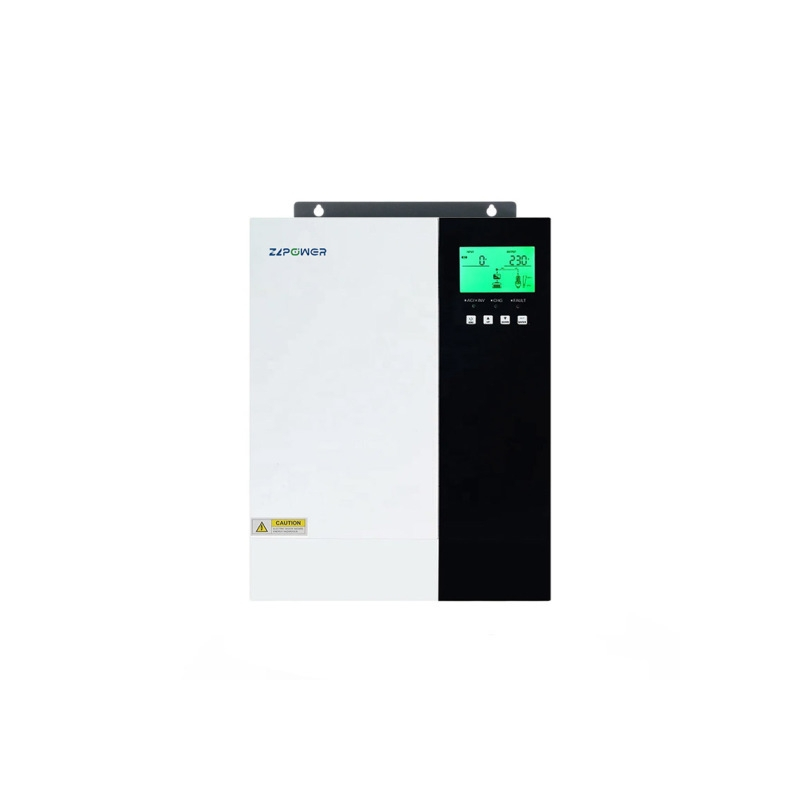
Hybrid inverters also let users reach partial or full grid independence. They store extra solar energy in batteries for later use. This option helps in areas where grid supply varies or where diesel backup costs run high.
Lowering energy costs drives many firms to adopt commercial solar systems. With batteries tied in through hybrid inverters, firms can shift to stored power during costly rate periods instead of using only grid supply. Over time this cuts electricity bills and lifts return on investment.
ZLPOWER’s hybrid units use advanced MPPT algorithms. These pull the most energy from each solar panel string even when light changes. PVG comes with an MPPT solar charge controller. It boosts and controls DC power from the solar array to charge the battery bank. This steady output lowers running costs across big sites such as warehouses or office grounds.
Corporate sustainability targets now line up with renewable plans. Many groups must report carbon cuts under ESG rules. Hybrid inverters help meet these targets by raising the share of clean energy used on site and lowering reliance on fossil grids.
ZLPOWER’s units work with several battery types, including lithium-ion and deep-cycle models. This range fits different sustainability aims while keeping performance and safety in line.
ZLPOWER’s hybrid inverters give flexible charging choices such as AC priority mode for steady grid settings or solar priority mode to raise renewable input. The wide LCD screen shows clear controls for battery charging current, AC or solar charger priority, and input voltage range. These settings can fit different needs. Firms can adjust them based on work hours, for example by charging batteries during low-rate times or on light-load days.
The brand uses strong MPPT controllers that capture the best yield from solar arrays across the full day. This high-efficiency pure sine wave hybrid inverter integrates the functions of an off-grid inverter, a grid-tied inverter, and an advanced MPPT solar charge controller into a single unit. ZLPOWER adds several smart protection steps such as overload defense, surge control, anti-interference circuits, and temperature checks. These keep performance steady even in tough industrial settings.
From small office sites to heavy industrial zones, growth room matters. ZLPOWER’s modular build supports easy capacity growth without full system replacement. This split-phase hybrid inverter GSII series holds 8kw, 10kw, and 12kw ratings and includes WiFi communication. It supports smart BMS communication with LiFePO4 batteries, and is also compatible with lead-acid, AGM, and GEL batteries. The units fit many settings such as large farms, villas, factories, and forest areas, and they also handle common household appliances. This range suits growing firms that plan phased growth over several years.
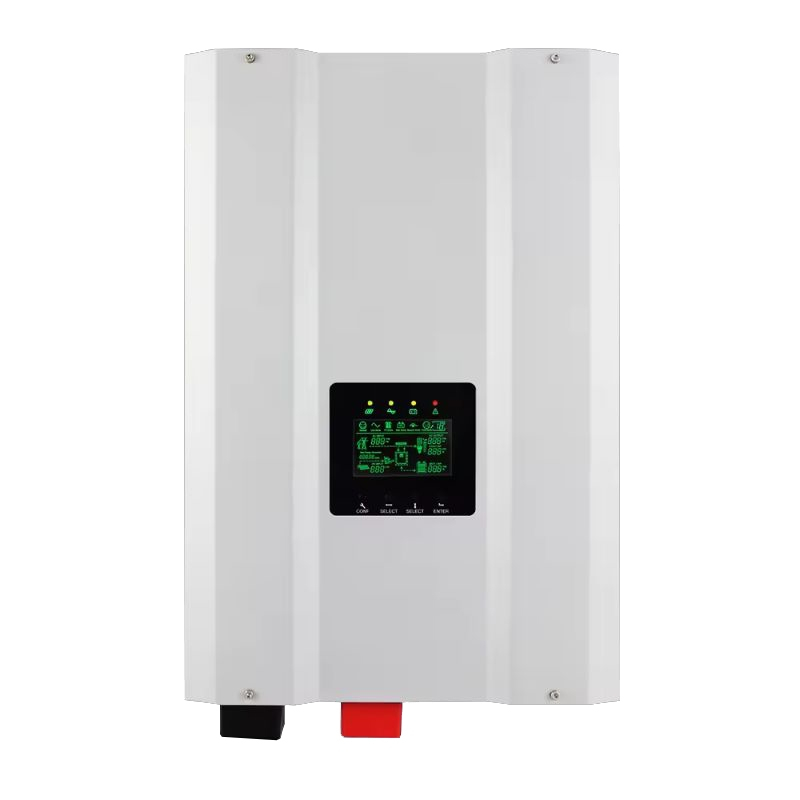
Real-time monitoring now forms a standard part of modern C&I systems. ZLPOWER adds Wi-Fi options so operators can track performance data from dashboards or mobile apps. Built-in Wi-Fi for mobile monitoring (optional) helps facility teams spot issues early and plan repairs before problems grow. This cuts downtime and extends asset life.
|
Feature |
Benefit |
|
MPPT Solar Charger |
Maximizes PV output under variable sunlight |
|
Battery Equalization |
Extends battery lifespan |
|
Anti-Dust Kit |
Suitable for harsh industrial environments |
|
Modular Design |
Easy scalability |
|
Remote Monitoring |
Real-time system insights |
Before installation, engineers review daily use patterns and mark critical loads that need backup cover. Load profiling tools help set the right inverter size in kW based on connected equipment.
System designers pair PV array ratings with suitable battery banks. They base the match on expected run times and discharge rates. For example, linking a 10 kW array with a properly sized lithium-ion bank keeps charge cycles balanced and avoids circuit overload.
Temperature swings or humidity shifts can lower system output over time. ZLPOWER units include protective items such as anti-dust kits that suit rough conditions like coastal factories or desert logistics hubs.
ZLPOWER supports mixed renewable setups that include wind-solar hybrids. It also offers firmware updates through USB ports for later compatibility gains. The USB on-the-go function makes data upload and download simple.
Good placement improves airflow around units and eases cable routing during service checks. Keep units away from direct rain or heavy dust near vents.
Every install must follow local electrical codes such as IEC 62109 standards. Grounding links must be checked before starting any solar inverter unit to avoid safety risks.
Quarterly checks help keep peak output levels. Clean ventilation filters on a regular basis. Update firmware from time to time. Review logged performance data each month. Test backup operation under load at least once per year. These steps lengthen equipment life and keep warranty cover intact.
ZLPOWER hybrid inverters offer efficient power resilience for commercial and industrial operations with consistent performance even amid changes in grid power. Technology used during production is useful for the smooth flow of power as well as reducing costs by managing the load. Through sustainable energy use, these inverters enable environmental compliance and improve ESG metrics. Designed to be reliable, scalable, and durable, ZLPOWER’s hybrid inverters provide a good base for commercial energy infrastructure.
For tailored solutions and technical support, please contact ZLPOWER to explore how their hybrid inverters can meet your specific project requirements.
A: A hybrid inverter blends solar conversion with battery storage management to supply steady power even when the grid drops. This gives a clear edge for commercial reliability.
A: They use MPPT tracking technology that raises photovoltaic output and balances load between grid input and stored energy sources.
A: Yes. The modular design supports expansion from small installations up to multi-megawatt configurations without major infrastructure changes.
A: Built-in Wi-Fi modules allow remote checks through web interfaces that give real-time alerts on voltage status or fault conditions.
A: They raise the share of clean electricity used on site and cut dependence on fossil grids. This helps firms meet ESG reporting needs with less effort.
 ChatNow
 Vania
Vania