
Commercial solar systems are being expected to offer higher energy efficiency, reliable battery charging, and efficient power control systems in 2026. With the continuous development of energy storage integration in various industrial and business applications, the need for efficient use of solar energy has led to the widespread adoption of MPPT solar charge controllers. More stable charging efficiency is ensured by the use of advanced MPPT technology even in varying environmental settings. ZLPOWER MPPT solar charge controllers support commercial solar applications with efficient power tracking, flexible battery compatibility, and intelligent energy management capabilities.
Commercial users face growing pressure to hold down power bills while keeping operations steady. Long-term savings rest on solar panel output and on how well the power gets handled after collection. A modern solar charge controller helps cut conversion waste and lift returns. Companies now check every part, from panel angle to controller settings, to gain small extra points in performance.
Large solar projects often run under changing light levels caused by shade, dust, or season shifts. Power use rises and falls during the day as HVAC units, lights, and machines switch on and off. These changes make steady charging hard to keep. An MPPT solar charge controller changes its settings in real time to hold voltage and current steady even when light and load move quickly.
Battery-based commercial solar systems appear more often as firms seek protection from grid problems. Careful charge control matters here. Too much charge or deep drain can shorten battery life fast. MPPT controllers give exact control that guards batteries and pulls out more usable power.
The main strength of an MPPT controller is its ability to follow the best working point of solar panels all the time. It changes voltage and current on the fly to draw the most power from each panel no matter the temperature or light level. PVG uses an MPPT solar charge controller to take in and control DC power from the array for battery charging. This constant adjustment raises total energy gathered under many site conditions.
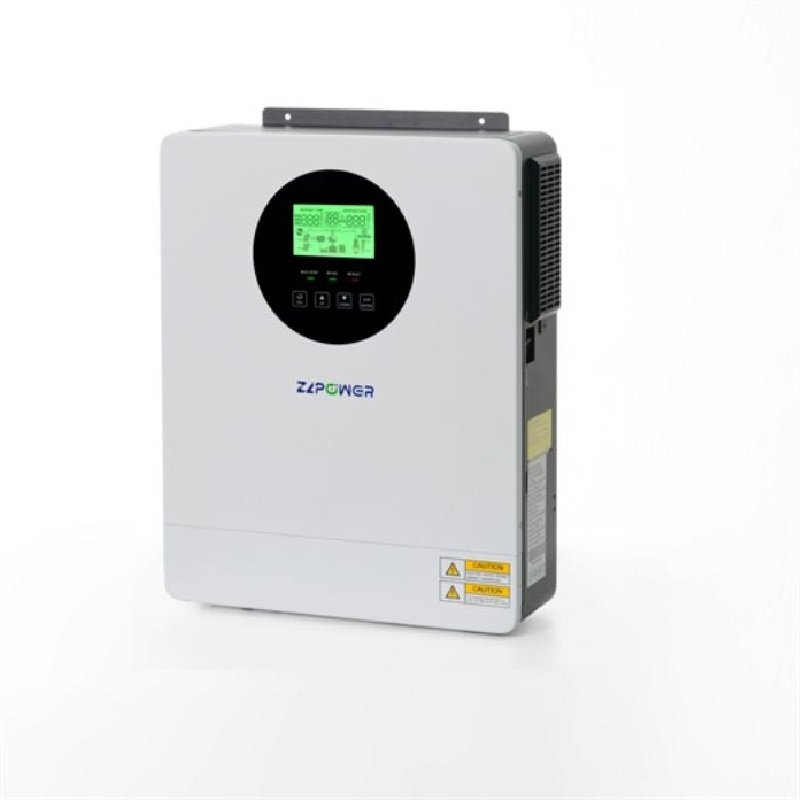
MPPT controllers keep charge voltages right for each battery type, whether lithium-ion, gel, or lead-acid. This exact match lowers strain on cells during heavy charge periods and keeps every module balanced. The outcome is longer battery life and steadier running for sites that cannot stop work.
Compared with traditional PWM models, MPPT technology delivers higher conversion efficiency by minimizing heat loss during voltage regulation. It performs especially well under partial shading or cloudy skies where conventional controllers struggle to adapt quickly.
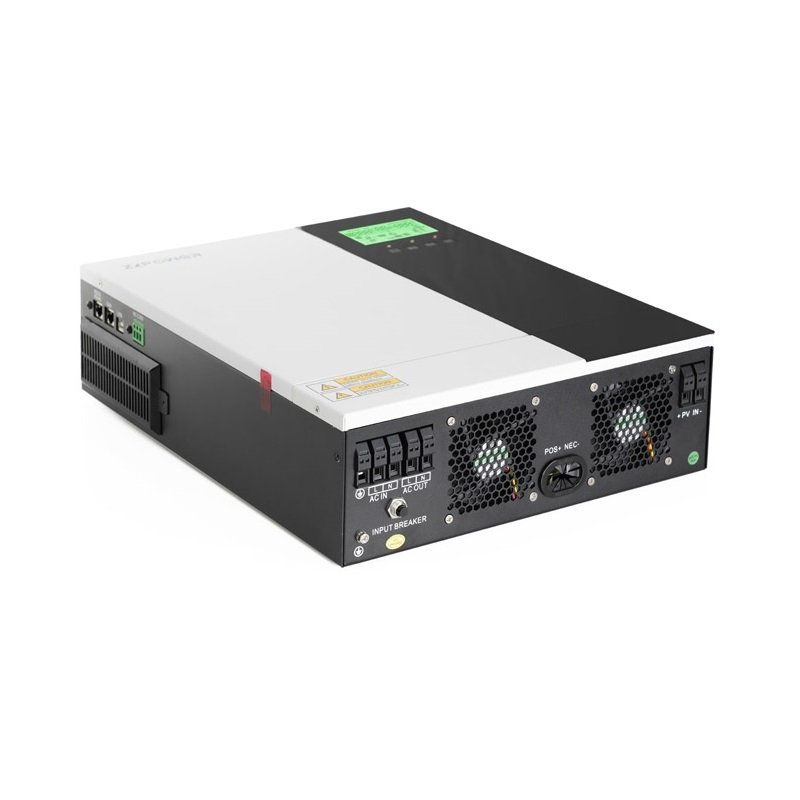
As commercial installations grow, system voltages keep rising, often past 600V per string. Modern controllers must handle these levels safely and still stay accurate. PVM high frequency 3.5KW 5.5KW solar inverter joins inverter, solar charger, and battery charger functions to give steady power in one easy unit. Such designs show how new hardware supports big arrays and large lithium banks in industrial sites.
Cloud monitoring now comes standard on professional systems. Installers can check live data, spot faults early, and change settings from afar without a site visit. This saves time and service costs.
Overcharge stop, overload limit, short-circuit guard, and heat control now form basic needs for any commercial controller. Intelligent 3-stage charger control supports efficient charging and prevents overcharge. These layers keep operation steady under heavy daily cycles common in industrial work.
Hybrid setups that mix PV arrays with grid or diesel backup grow popular at telecom towers and remote plants. Coordinated work between inverter, MPPT controller, and battery storage allows smooth source switches and keeps operations running when grid power varies.
ZLPOWER products aim at higher harvest rates through strong tracking methods. Equipped with a built-in 100A Maximum Power Point Tracking (MPPT) solar charger. This layout gives steady output even when sunlight strength changes, which matters for firms that need reliable yearly numbers.
ZLPOWER controllers work with lithium-ion, lead-acid, AGM, and gel batteries. Compatible with lithium battery. This range lets system builders match storage to site size or local limits without swapping existing batteries.
Many ZLPOWER models include RS232 ports or USB-on-the-go for quick data checks. Its clear LCD screen shows easy button choices for battery charge current, AC or solar charge priority, and input voltage limits suited to each use. These tools cut maintenance time by letting crews read logs on site or send them out through mobile apps.
Long life matters when gear stays outside all year. Built-in anti-dusk kit for harsh environment. ZLPOWER cases shield electronics from dust, moisture swings, and heat extremes, which suits telecom sites or off-grid plants where visits stay limited.
|
Application Type |
Key Benefit |
|
Commercial Buildings |
Reduced electricity costs through optimized PV utilization |
|
Telecom Infrastructure |
Continuous uptime via stable DC supply |
|
Industrial Storage Projects |
Efficient large-battery charging cycles |
|
Off-Grid & Hybrid Systems |
Reliable operation where grid supply is unstable |
Each application benefits from precise energy management that balances production with consumption needs.
When designing a commercial solar system, several points decide the right controller:
· System Voltage & Current Capacity: Pick units sized for the array layout.
· Battery Compatibility: Match charge curves to the chosen battery type.
· Monitoring & Communication: Remote checks help cut service gaps.
· Supplier Support: Help from makers like ZLPOWER eases work with mixed setups.
· Scalability: Room for later growth should enter early planning.
As commercial solar systems move toward tighter efficiency rules and added storage, the mppt solar charge controller stays key to better output. Strong tracking methods raise energy harvest while smart protection lengthens part life. With solid records in telecom, industrial sites, and hybrid grids, ZLPOWER supplies tough units that support steady daily work for firms investing in renewable power.
For businesses and system integrators planning commercial solar or energy storage projects, working with ZLPOWER can help optimize overall system performance and long-term project value.
A: An mppt solar charge controller follows the best power point of solar panels at all times to raise conversion rates and improve charge results.
A: Commercial projects often run at higher voltages where mppt technology gives better conversion, quicker response when light changes, and less energy waste than PWM units.
A: Yes. Many advanced models, including those from ZLPOWER, work with lithium-ion systems and add smart balance steps that protect cell health over many cycles.
A: They hold voltage steady during multi-stage charge steps and block overcharge or deep drain events that normally shorten battery life.
A: Check conversion rates, battery fit range, remote monitoring ports, build quality certificates, and access to technical teams that can adjust units for complex commercial jobs.
 ChatNow
 Vania
Vania