
The year 2026 marks a key turning point for industrial solar systems. Sectors like manufacturing, telecom, and mining are pushing toward energy self-reliance. Demand has grown sharply for off-grid solar inverter systems that offer very high conversion rates. The fresh standard—over 99% tracking performance—is more than a tech highlight. It forms the basic level for staying competitive in business.
The blend of industrial MPPT controller tech and pure sine wave inverter setup shapes this updated line of combined power options. MPPT, or Maximum Power Point Tracking, makes sure that each bit of sunlight captured from solar panels turns into practical energy with little waste. At the same time, pure sine wave inverters supply steady AC power that fits delicate industrial machines.
Started in 2007, Shenzhen ZLPOWER Electronics Co., Ltd. brings more than 16 years of hands-on know-how and holds ISO9001/ISO14001 certifications. ZLPOWER has earned trust as a solid B2B ally around the globe. Their all-in-one solar inverter setups—which merge MPPT controllers and inverter parts—raise the bar for dependability and exact energy turning.
On a large industrial level, old PWM controllers fail to match the changing voltages in big PV setups. The industrial MPPT controller relies on live calculations to spot the top power spot amid shifting light levels. This proves vital for handling high-voltage panels or extended cable lines that lead to power drops.
ZLPOWER’s MPPT parts use quick-adjusting methods. These handle sudden light changes often found in gritty mining areas or seaside telecom spots. Such quick response brings clear gains in output. Usually, it boosts energy collection by 20% to 30% over PWM setups.
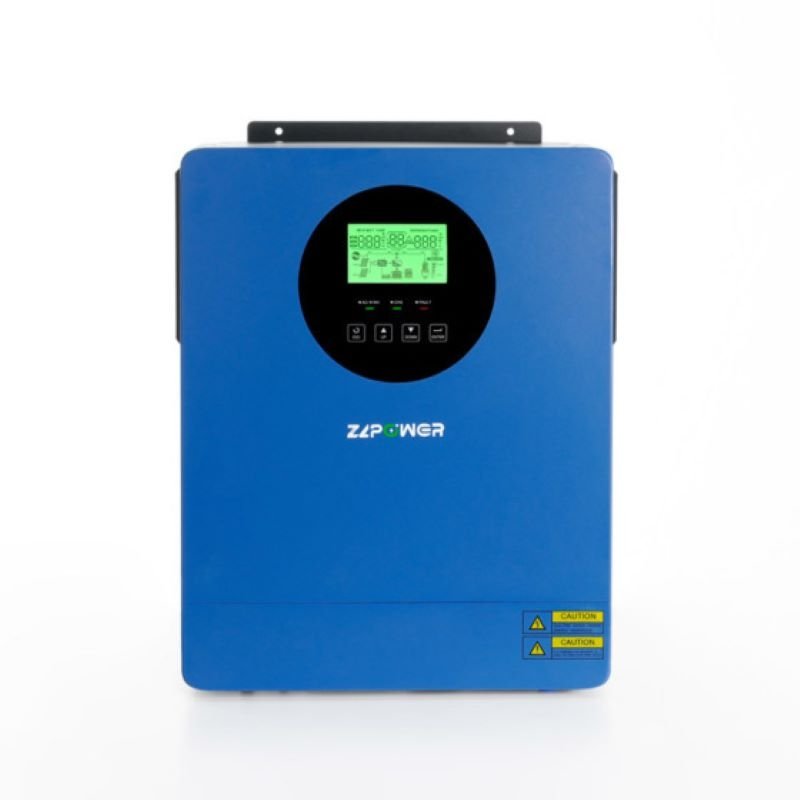
PVG comes with an MPPT solar charge controller. This tool boosts and controls DC power from the solar group to charge the battery storage. The same idea grows well in ZLPOWER’s industrial products. Each part keeps adjusting DC flow to hold the best turning rate. It works even amid shadows or heat changes.
In far-off spots like hilltop telecom towers or dry-land drilling sites, ease brings steadiness. Combined off-grid systems link inverter and charger roles in a single box. This cuts down wiring hassles and weak spots a lot.
ZLPOWER’s 10kW line shows this method clearly. It features matched links between the charger and inverter sections. As a result, switches between solar charging, battery use, and AC delivery happen smoothly. This setup avoids voltage mismatches common in separate units.
Plus, saving space matters greatly in industrial uses. Every bit of room counts, especially in moving power boxes or tight control panels. The integrated design of ZLPOWER’s off-grid solar inverter reduces footprint while maintaining full functionality.
ZLPOWER’s latest 2026 lineup shows real progress in tough-use design:
|
Feature |
Description |
|
High Input Voltage Capacity |
Supports PV inputs from 250Vdc to 600Vdc for large array configurations |
|
Parallel Expansion |
Scalable architecture enables parallel operation from 8kW up to over 50kW |
|
Battery Compatibility |
Optimized for 48V LiFePO4 batteries with built-in BMS communication |
|
MPPT Efficiency |
Up to 99.9% peak tracking accuracy |
|
Thermal Design |
Enhanced heat dissipation suitable for high-temperature industrial zones |
LiFePO4 batteries offer a longer service life. They handle up to 3,500 cycles, which is five times more than standard lead-acid types. This durability makes LiFePO4 integration ideal for continuous operation in manufacturing plants or remote stations where maintenance cycles are long.
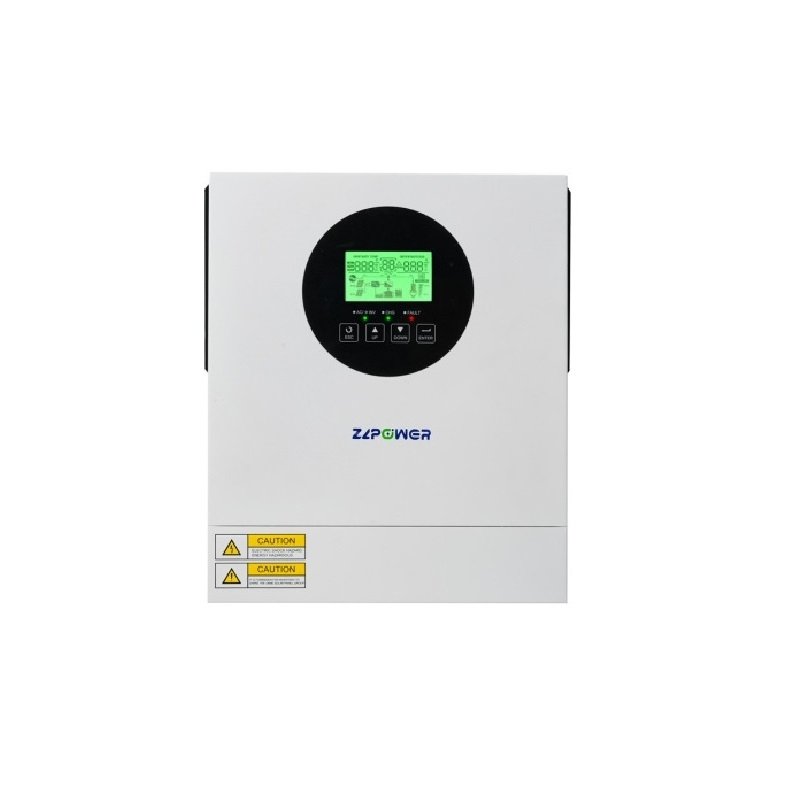
Telecom firms need constant service, even in blackouts or rough weather. Dual-MPPT setups build extra power routes. So, if one panel group faces shade or blockage, the next one keeps supplying energy without a hitch. For instance, in rural Indian towers, this setup cut downtime by 40% during monsoons, per field reports.
Large irrigation networks or crop handling plants demand strong power handling. Low-frequency transformer designs manage sudden spikes from motors and pumps. They also keep a smooth sine wave flow. This stays crucial for changing machine needs. Data from Midwest U.S. farms shows 25% less wear on equipment after switching to such systems.
Plants far from city grids often deal with rough generator output. That can harm fine electronics. An all-in-one off-grid solar inverter steadies voltage swings. It also copes with big rush loads from tools like air compressors or welding gear. In South African factories, this meant 15% energy savings and fewer breakdowns over two years.
Steadiness in industry goes beyond just output. It covers lasting under pressure. ZLPOWER now uses better cooling setups with guided air flows. These pair with sealed boxes rated for wet or sandy settings.
Distant checking has turned routine in top models. Via RS485 or WiFi links, teams track system stats from afar. IoT screens show details like solar voltage in, charge flow, battery charge level, and load spread over sites. This shifts upkeep from hunches to fact-based choices. It saves money in the long run, as seen in telecom fleets cutting visits by 30%.
By 2026, adopting high-conversion MPPT-integrated architectures will no longer be optional—it will be essential for maintaining operational stability and cost control across industrial networks. Partnering with ZLPOWER means choosing a company that combines deep R&D expertise with ruggedized engineering suited for extreme field conditions.
Whether deploying at a remote telecom hub or powering autonomous agricultural machinery, ZLPOWER delivers hardware built not just to perform—but to endure.
Q1: What is the peak tracking efficiency of ZLPOWER’s MPPT modules in 2026?
A: The newest line hits a strong 99.9% MPPT tracking rate. This cuts energy waste in shifting from PV panels to storage. It lifts the full solar power conversion efficiency to new heights.
Q2: How does an integrated MPPT inverter handle partial shading in large arrays?
A: It uses multi-path MPPT inputs. These follow separate panel groups on their own. So, shaded areas won’t pull down the whole output. This shines in spotty light spots typical for factories or fields.
Q3: Can these off-grid solar inverters be paralleled for heavy-duty loads?
A: Yes. Units can run together in sync up to more than 50kW total power. This suits big plants or mine sites needing growth and backup.
Q4: Are these units compatible with high-voltage PV strings?
A: Absolutely. Depending on the setup, models take up to 600Vdc from PV sources. This allows stretched panel lines that trim wire costs and ease setup, drawing from installs in sunny California solar farms.
Q5: What protection features make them suitable for harsh environments?
A: Units pack overheat control, short-circuit guards, surge blocks, and sealed boxes tested for grit and moisture. These ensure solid use in varied weather across the world, like in Middle East oil fields where temps hit 50°C.
 ChatNow
 Vania
Vania