
Solar power systems in tropical and high-humidity markets deal with a distinct set of working difficulties. Intense heat, moisture, condensation, and salt air can speed up damage to delicate electrical parts. On top of that, unstable grid conditions and frequent voltage fluctuations, and even the most advanced solar inverter can struggle to maintain consistent performance. For distributors, engineering firms, commercial installers, telecom energy setups, and off-grid energy system buyers, inverter durability is more than a tech matter. It is a financial issue too. A reliable inverter minimizes downtime, reduces maintenance costs, and protects return on investment.
Shenzhen ZLPOWER Electronics Co., Ltd. focuses on the research, production, and sale of UPS power supply, power Inverter, solar inverter, car charging pile, EPS power supply. The company started in 2007. It has earned ISO9001 and ISO14001 certifications and exports products to Europe, the United States, Canada, South Africa, and the Middle East. Through its emphasis on customization and R&D-driven design, ZLPOWER provides hybrid inverter and off-grid inverter options made for demanding export markets.
Tropical areas stay hot and full of moisture all year. This combination impacts electronic pieces in quiet but serious ways as time passes.
Damp air plus everyday temperature changes often cause dew to form inside electrical boxes. In the long run, this moisture can corrode inner wires. Or it might lead to insulation failures that spark shorts or drop efficiency. Field advice often points out that high humidity and salt mist settings demand smart gear picks. These elements affect PV system dependability and safety over extended periods.
Extreme warmth puts extra pressure on capacitors, fans, transformers, and other inside elements of a solar inverter. When placed in tight spots without good air movement, such as compact utility areas or steel boxes, the trapped heat can cut part lifetimes sharply. Regular maintenance, like wiping heat sinks or testing fan work, helps hold even inside temperatures.
Shoreline setups bring yet another problem: salt mist. Salt bits blown by wind can accelerate corrosion on connectors, bolts, or metal parts. Eventually, this causes resistance problems at contacts. Or it might weaken mounting parts if coatings lack strength.
Picking the proper ZLPOWER solar inverter model for tropical spots means matching features to real-world conditions.
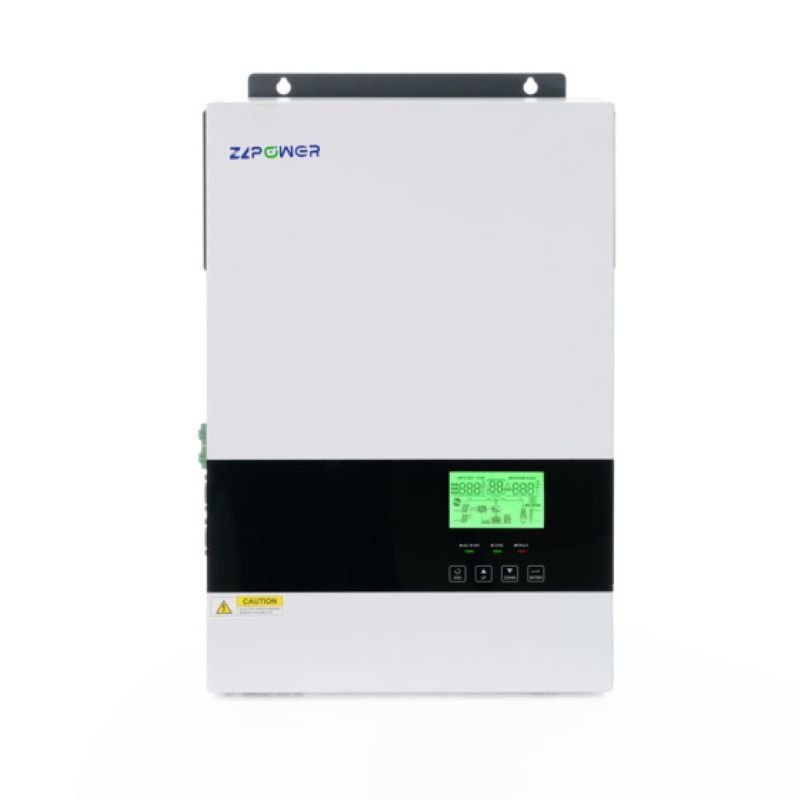
The PVG comes with an MPPT solar charge controller. This device boosts and controls DC power from the solar panels to charge the battery group. It runs without a linked battery due to its standalone battery setup. That makes it great for far-off off-grid systems where adaptability counts. The PVG line also delivers pure sine wave output with up to 100A MPPT charging current. It has a battery balancing feature that improves work over time. Plus, it includes a built-in anti-dust kit made just for rough settings.
These traits fit the PVG well for small business backup setups or spread-out energy jobs. There, toughness against heat and dirt is key.
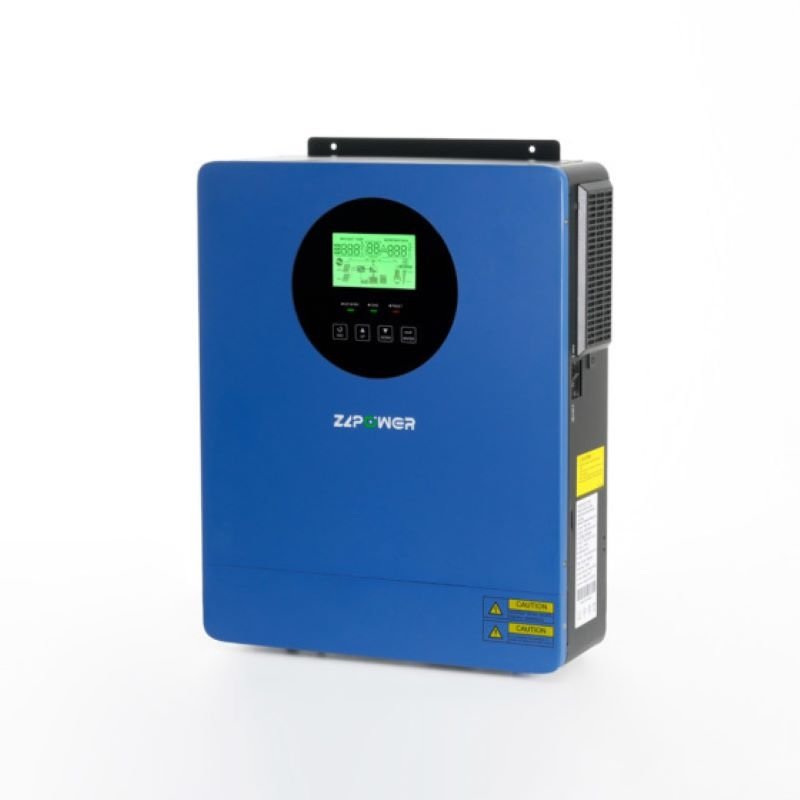
This multi-purpose solar inverter/charger hybrid comes in 3.5KW, 4KW, 5.5KW, and 6KW sizes. It blends pure sine wave inverter functions, solar charger inverter, solar grid inverter, and solar hybrid inverter with MPPT. The PVM hybrid inverter allows easy load handling via dual outputs. This lets users split key loads, like servers or telecom tools, from less vital ones, such as lights or air systems. Its adjustable charging options help specialists adjust AC/solar input orders based on local setups.
Before B2B buying choices happen, project specialists need to assess several factors.
· Installation environment (indoor vs coastal outdoor)
· Load profiles (critical vs intermittent)
· Battery configuration (voltage range & capacity)
· Grid stability
· Maintenance capabilities on-site
Aligning these details makes sure each hybrid inverter or off-grid inverter works at its best through its full run.
Good setup methods can greatly lengthen working years, particularly when dampness is hard to avoid.
Fitters should place units under sheltered spots, like gear covers or shaded walls. They should avoid open outdoor panels unless the model‘s docs specify an IP-rated box. Do not put units close to water lines or exhausts. There, dew might build up during cooler evenings.
High-frequency types produce fair heat during power shifts. Keeping a few inches of space near vent holes stops hot air from looping back. Regular dusting of filters also preserves cooling power.
In PVM hybrid projects with dual outputs, splitting loads avoids extra wear during weak supply times. Key tasks, like comms hubs, stay on. Meanwhile, minor circuits cut off on their own during ups and downs—reducing overall heat load inside the unit.
Regular checks are vital, even with strong models like PVG or PVM.
Connectors open to damp air can loosen from heat growth cycles. Routine tightening stops spark dangers. Inspecting discoloration or oxidation marks helps catch corrosion early. This prevents it from moving to other links. It is a usual breakdown in tropical spots, where metal wear speeds up fast.
The PVG series has a built-in anti-dust kit for tough spots. Still, dirt builds up and blocks cooling openings over time. Wiping exterior surfaces with dry cloths every few months stops trapped moisture. Those can lead to corrosion under paint or near wire seals.
Both PVG off-grid inverter models and PVM hybrid types have features like battery balancing or adjustable charging orders. Review these now and then. Tropical batteries face quicker fluid loss from steady warmth.
Ahead of summer highs or rainy times, techs should test fan speeds via LCD screens. Dusting heat sinks boosts air flow. Confirming room heat also avoids power drops during noon load rushes.
Distributors planning bulk orders should follow structured evaluation steps before finalizing buys:
|
Evaluation Item |
Key Considerations |
|
Rated Power |
Match system size & load demand |
|
PV Input Voltage Range |
Confirm compatibility with array configuration |
|
MPPT Range |
Ensure alignment with local irradiance levels |
|
Battery Voltage & Charge Current |
Adapt based on storage bank type |
|
Environmental Factors |
Temperature range & humidity tolerance |
|
Backup Time |
Based on load criticality |
Always check spec sheets, including surge limits. Some shore grids show quick voltage jumps after storms.
Talk about anti-dust kits or box guards straight with providers for big lots headed to damp areas like Southeast Asia or central Africa.
Get extra cooling fans or connector blocks ready. Include printed guides in local tongues for overseas exports. These little steps cut delays at the site later.
Longevity of any solar inverter operating in high-humidity regions depends heavily on proper product selection matched with protective installation practices. Preventive maintenance routines further guard electronics from corrosion or overheat harm typical in tropical settings.
For B2B purchasers managing off-grid small networks or hybrid backup links in overseas markets, from coastal Africa to island Southeast Asia, the ZLPOWER PVG series off-grid inverter and PVM hybrid inverter stand as durable options engineered precisely for these demanding conditions.
To tailor configurations according to site specifics or environmental constraints, project teams can contact ZLPOWER’s technical support team directly for professional guidance backed by manufacturing expertise spanning global deployments.
A: Yes. ZLPOWER designs its solar inverter range, including both hybrid inverter models like PVM series, for use across diverse climates. This works when installed right with good air flow shields against humidity exposure.
A: The PVG high frequency series serves as an excellent off-grid inverter choice. It integrates MPPT control up to 100A along with pure sine wave output. This suits cut-off energy arrangements without steady grid ties.
A: Visual inspections every three months are advisable. More thorough checks, like fan dusting or connector tightening, should happen before rainy seasons start each year. This stops hidden corrosion buildup from going unseen inside covers.
A: Failures usually come from dew-caused corrosion mixed with bad air flow that leads to overheating. Loose connectors add to electrical strain from ongoing growth cycles under changing temperatures.
A: Outdoor placement is possible only if box protection levels match the exposure needs. If not, putting units in shaded, airy boxes stays a safer long-term way. This holds true especially near shore installs where salt mist levels run high.
 ChatNow
 Vania
Vania