
Outdoor solar projects rarely run in perfect conditions. A farm, factory yard, telecom shelter or remote monitoring station may face dust, humidity, rain splash, high temperature and unstable grid power. Because of this, many buyers search for an IP65 solar inverter when they need a safer outdoor power system.
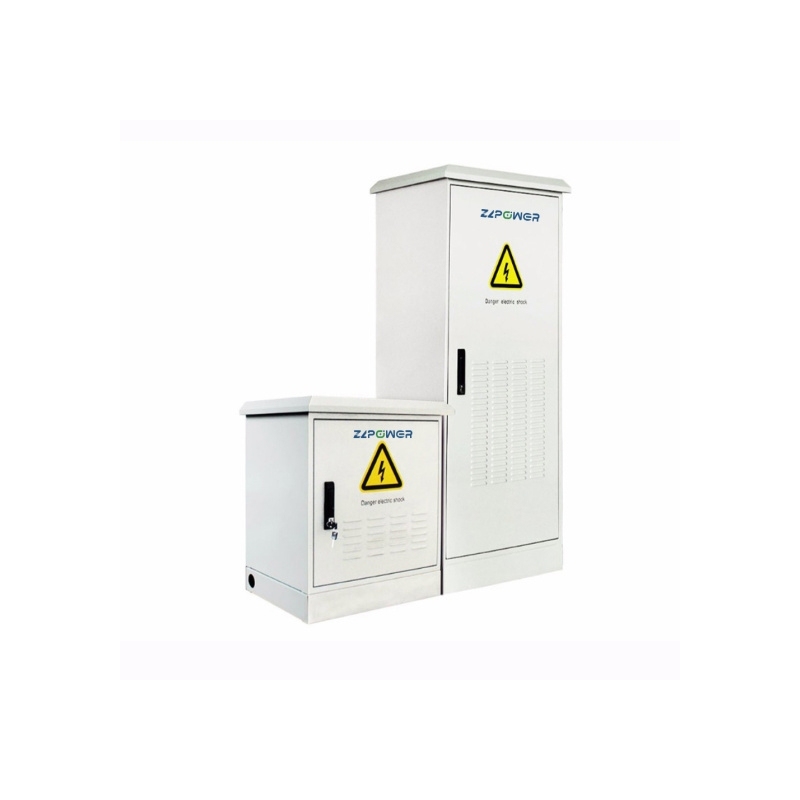
But one point must be clear. Not every solar inverter used outdoors is IP65-rated. In many real projects, the safer method is to combine a suitable hybrid solar inverter with a protected installation method, an outdoor cabinet, cable sealing, surge protection and, when needed, an IP65 outdoor UPS for critical backup loads.
This guide explains how to build a realistic IP65-level outdoor solar power solution. It also shows how ZLPOWER hybrid solar inverters and RA Series IP65 Outdoor Online UPS can support different project needs.
IP ratings describe how well an electrical enclosure resists dust and liquid intrusion. The first number refers to protection against solid objects. The second number refers to protection against liquids. For IP65, the enclosure has a high level of dust protection and can resist water jets. However, IP65 does not mean the product can be placed under water.
For solar inverter buyers, this distinction is important. A solar inverter may perform well in a clean equipment room, but outdoor conditions are harder. Dust may block airflow. Moisture may affect terminals. Heat may shorten component life. Poor grid quality can also increase system stress.
So, when a customer asks for an IP65 solar inverter, the real need is often broader. The buyer is usually looking for a weatherproof solar power configuration that can work reliably in a harsh site.
An outdoor solar inverter solution is useful when the power system must stay close to the load. This is common in farms, villas, factories, forest areas, telecom sites, irrigation systems, remote roads and weak-grid locations.
Before selecting a model, buyers should check the installation location first. Is the inverter indoors, semi-outdoor or exposed? Is there direct rain splash? Is the site dusty? Is battery backup required at night? These questions affect both product choice and installation design.
For small and medium solar power projects, the GS Series 4kW 5kW 6kW Hybrid Solar Inverter is a practical reference model. This series is suitable for large farms, villas, factories and forest areas. It can work as a solar charger inverter, solar grid inverter and hybrid solar inverter with MPPT.
For larger industrial projects, the Three-Phase Hybrid Off-Grid Solar Inverter 380V/415V is more suitable for systems that need three-phase output. Its product page highlights advanced MPPT technology and dual PV inputs.
|
Product |
Confirmed Official Information |
Suitable Application |
|
GS Series 4kW 5kW 6kW Hybrid Solar Inverter |
4kW / 5kW / 6kW, MPPT, hybrid solar inverter, suitable for farms, villas, factories and forest areas |
Small and medium outdoor solar power projects |
|
Three-Phase Hybrid Off-Grid Solar Inverter 380V/415V |
380V / 415V, advanced MPPT, dual PV inputs |
Industrial and three-phase solar projects |
|
RA Series 1KVA–3KVA IP65 Outdoor Online UPS |
IP65 outdoor UPS, 1KVA / 2KVA / 3KVA, outdoor backup protection |
Telecom, CCTV, network equipment and critical AC loads |
This table helps buyers separate product roles. The GS Series and Three-Phase Hybrid Off-Grid Solar Inverter are used for solar power conversion. The RA Series IP65 Outdoor Online UPS is used for outdoor backup protection. It is not a solar inverter.
The first step is to confirm whether the inverter itself is rated for direct outdoor exposure. If the product page or datasheet does not clearly state an IP rating, buyers should not assume it is IP65.
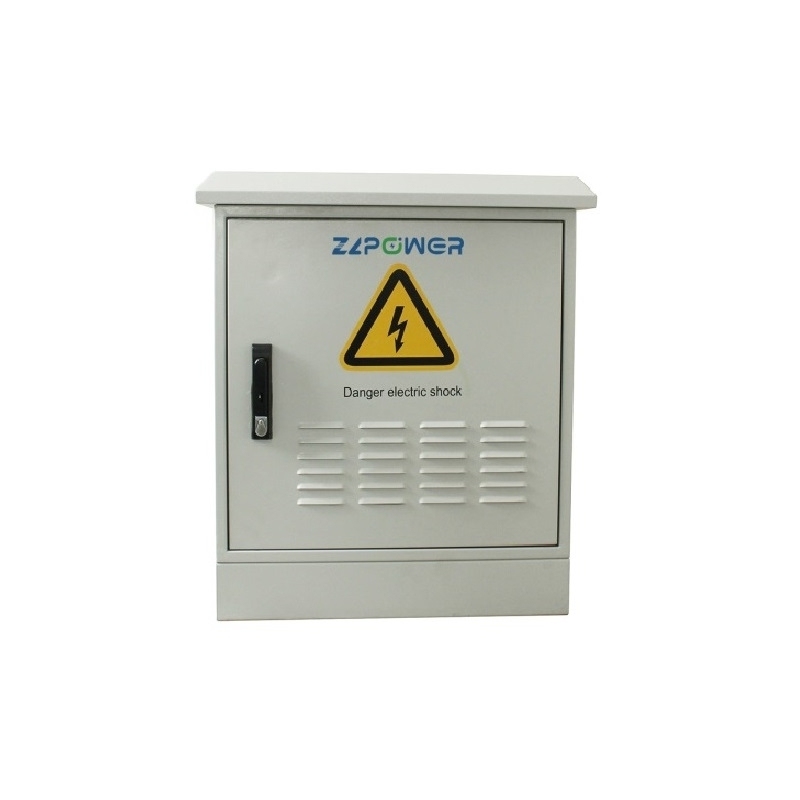
In that case, the inverter should be installed in a protected location. This may be an indoor power room, a shaded equipment area or a weather-resistant outdoor cabinet. For harsh sites, cabinet design is important. It should support airflow, drainage, cable sealing and inspection space.
A good outdoor hybrid solar inverter should match the PV input, battery voltage, load size and backup time. These items must be checked together.
A farm may need higher starting power for pumps or motors. A telecom site may need stable backup for communication equipment. A villa may need balanced daytime solar use and night battery support. These projects are different, so one configuration will not fit all of them.
Before choosing a model, buyers should prepare a load list. It should include running power, starting power, PV panel capacity, battery type, backup time and local grid voltage.
Outdoor sunlight changes during the day. Clouds, heat, dust and partial shading can reduce PV output. This is why MPPT charging matters.
An MPPT solar inverter helps the system track the best working point of the PV array. It can improve solar charging performance when sunlight is not stable. For farms, remote stations and weak-grid areas, this can help the system use solar energy more effectively.
Some outdoor projects have critical AC loads. These may include CCTV cameras, routers, communication devices, network equipment or monitoring systems. These loads may need extra protection when the grid is unstable.
For this purpose, the RA Series 1KVA–3KVA IP65 Outdoor Online UPS can be used as outdoor backup protection. ZLPOWER describes this RA series as suitable for suburban districts, remote roads, mountains and severe environments with high temperature, dust, moisture, rain, mist erosion and poor grid power quality.
|
Common Mistake |
Why It Creates Risk |
Better Practice |
|
Treating an indoor inverter as IP65-rated |
Moisture or dust may damage the system |
Confirm the IP rating or use a protected cabinet |
|
Ignoring motor starting current |
The inverter may overload during startup |
Provide both running power and peak starting power |
|
No separation for critical loads |
CCTV or routers may shut down during grid failure |
Add outdoor UPS protection for key AC loads |
|
Poor cable sealing |
Water or dust may enter terminals |
Use suitable cable glands and protected wiring |
|
Choosing by power rating only |
The system may not match battery or PV input |
Check load, PV array, battery and site conditions together |
These points are common in real outdoor projects. They also show why a weatherproof solar inverter configuration should be designed around the site, not only around a keyword.
A well-designed solar and battery backup system can reduce dependence on diesel generators in some remote sites. It can also improve power stability for communication, monitoring and safety equipment.
The actual environmental benefit depends on system size, local sunlight, battery design and the site’s current power source. For this reason, buyers should avoid general claims such as “zero emission system” unless project data can support them. A more reliable ESG approach is to design a system that improves energy resilience, reduces unnecessary generator use and supports long-term equipment operation.
An outdoor solar inverter and an IP65 outdoor UPS do not do the same job.
A hybrid solar inverter converts solar and battery energy into usable AC power. It may also manage solar charging, AC charging and battery backup. Products such as the GS Series and Three-Phase Hybrid Off-Grid Solar Inverter are used for solar energy conversion and system power management.
An IP65 outdoor UPS mainly protects critical AC loads in harsh environments. It helps when grid quality is poor or short-term backup is required. It does not replace the solar inverter in a solar power system.
In many projects, the two product types can work together. A farm or factory may use a hybrid solar inverter for PV charging and battery conversion. At the same time, an RA Series IP65 Outdoor Online UPS can protect communication, CCTV or network loads.
For buyers comparing inverter types, ZLPOWER’s article Hybrid Inverter vs Inverter Charger can help explain the difference before final product selection.
Outdoor power projects need product matching, not just product listing. ZLPOWER can review load capacity, PV input, battery backup time, installation location and critical-load requirements before recommending a configuration.
ZLPOWER supplies hybrid solar inverters, three-phase off-grid inverters and IP65 outdoor UPS products for different project needs. Buyers can provide site photos, load lists, PV panel capacity and backup time requirements for project-based selection.
This helps reduce wrong model selection and makes the quotation more practical for farms, factories, telecom sites, remote roads and weak-grid areas.
|
Information Needed |
Why It Matters |
|
Load power and peak starting power |
Prevents undersized inverter selection |
|
PV panel capacity and voltage range |
Helps match MPPT input |
|
Battery type and voltage |
Affects backup design and compatibility |
|
Required backup time |
Determines battery capacity |
|
Installation location |
Shows whether cabinet protection is needed |
|
Grid voltage and grid stability |
Helps choose input and backup configuration |
|
Critical loads |
Decides whether outdoor UPS protection is needed |
|
Remote monitoring needs |
Reduces maintenance cost for distant sites |
Choosing an IP65 solar inverter solution should not be based on the keyword alone. A real outdoor solar project needs accurate product selection, correct installation and suitable backup protection.
For outdoor solar projects in farms, villas, factories, telecom sites, remote roads, mountains and weak-grid areas, ZLPOWER can help match hybrid solar inverters, three-phase off-grid systems and IP65 outdoor UPS backup protection into a practical power configuration.
To discuss load capacity, PV input, battery backup and outdoor installation needs, request a project-based outdoor solar power recommendation from ZLPOWER.
No. A solar inverter should only be described as IP65-rated if its datasheet or product page clearly states that rating. If no IP rating is listed, it is safer to use a protected installation method, such as an outdoor cabinet or sheltered equipment area.
Yes. ZLPOWER can match hybrid solar inverters with protected installation and IP65 outdoor UPS backup protection for outdoor solar projects, including farms, telecom sites, CCTV systems and remote power applications.
An outdoor solar inverter is used for solar power conversion, battery charging and AC output. An IP65 outdoor UPS is used to protect critical AC loads in harsh outdoor environments. They can be used together, but they are not the same product.
Buyers should provide load power, peak starting power, PV panel capacity, battery type, backup time, installation environment, grid voltage and remote monitoring requirements. This helps the supplier recommend a more accurate configuration.
Only if the product is clearly designed and rated for direct outdoor installation. If the IP rating is not confirmed, the inverter should be installed in a protected area or inside a suitable outdoor cabinet.
 ChatNow
 Vania
Vania