
Two inverters with the same 5 kW rating may cover very different jobs. One may include MPPT charging, battery-independent operation, dual outputs, parallel capability, and remote communication; another may leave those functions to external equipment.
There is no useful one-size-fits-all inverter price for a remote industrial project. Surge demand, battery architecture, PV input, accessories, order volume, and delivery terms all change the quotation. The meaningful comparison is the complete configuration.
Hybrid inverters are commonly considered when solar, batteries, utility power, and generator backup must work together. Off-grid inverters focus on independent operation where dependable utility power is unavailable. The categories can overlap.
|
Comparison point |
Hybrid inverter |
Off-grid inverter |
|
Typical power sources |
Solar, battery, utility, and generator |
Solar, battery, plus optional AC or generator input |
|
Main price drivers |
Source priority, backup outputs, communication, and grid interaction |
MPPT capacity, battery charging, surge output, and parallel expansion |
|
Common project fit |
Weak-grid facilities using several energy sources |
Sites without dependable utility power |
|
Frequent buying mistake |
Paying for functions the site will not use |
Selecting too little surge or charging capacity |
A hybrid inverter price may be higher when broader source control is included. An off-grid inverter price can also rise when the project needs a larger MPPT charger, strong motor-starting performance, or several units in parallel.
Rated output is only one part of an inverter system. Battery voltage, PV range, charging current, AC input behavior, output arrangement, and communications also affect the hardware. A complete quotation should identify standard and optional items; otherwise, the lowest inverter price may simply reflect the shortest equipment list.
Remote industrial loads rarely remain flat. Controls create a steady base, while pumps and compressors create short peaks. As a simplified example, a 5 kW running load may briefly reach 10 kW during motor startup. Selection therefore depends on peak capability, motor type, starting method, and phase arrangement.
A useful RFQ should identify:
· PV string voltage, array power, and required charging current
· Battery chemistry, voltage, capacity, and BMS communication
· Largest motor, starting method, and simultaneous demand
· Single-phase, split-phase, or three-phase output
· Initial capacity, parallel plan, and future expansion
· Required monitoring and generator-control interfaces
A proper load schedule separates continuous, intermittent, and starting loads. Four hours of backup and overnight operation require different battery capacity, charging current, and PV recovery time. Autonomy must be defined before suppliers quote, or the offers may represent different systems.
Dust, heat, unstable generator voltage, long cable runs, and limited maintenance access affect protection and communications. At a distant pumping station, remote monitoring may help avoid a service visit caused by a setting issue or low-battery alarm. Environmental details belong in the RFQ.
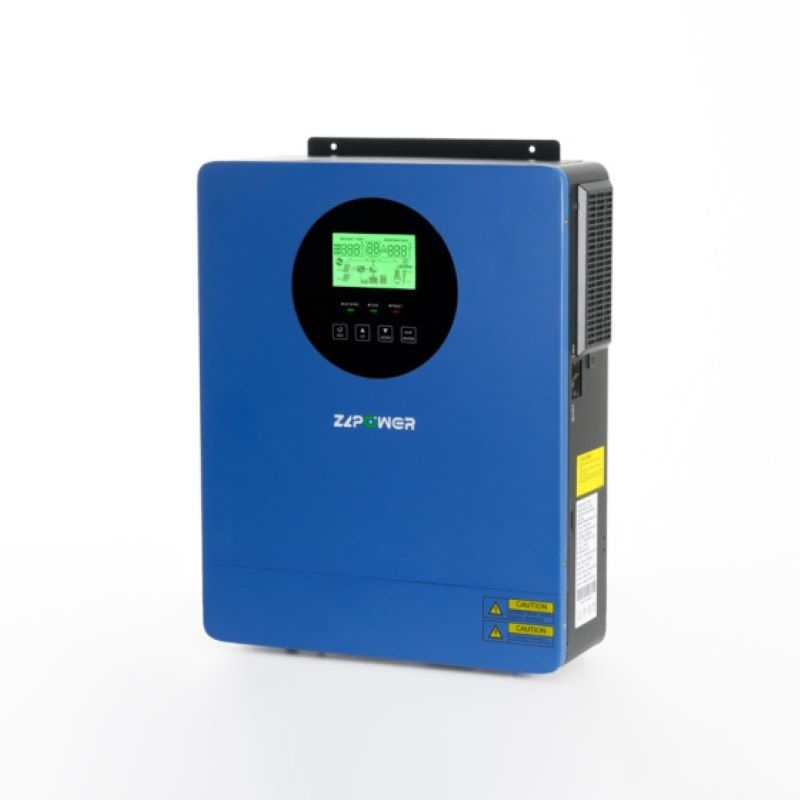
In an illustrative pumping-station RFQ, a 5 kW operating load is listed without motor size, starting method, battery voltage, or generator input. Once those details are added, the configuration changes to cover startup demand, battery charging, and monitoring. An incomplete RFQ often produces a low initial quote followed by revisions.
Every solar inverter supplier should receive the same load data, voltage and phase, battery plan, PV input, generator details, expansion target, monitoring requirement, quantity, destination, and trade terms. This creates a like-for-like comparison.
A quotation should separate standard equipment, optional accessories, and project-specific work. A qualified solar inverter supplier should list these items on separate quotation lines so that buyers can identify the exact scope behind the unit price.
Common differences include:
· A lower-current versus higher-current MPPT charger
· Parallel hardware excluded or included
· Local serial communication versus optional Wi-Fi
· Single output versus dual-output load control
· Generator dry contact omitted or supplied
· Freight and certification excluded or listed separately
A lower unit price can narrow quickly after optional hardware is added.
Factory price is only one line in an international purchase.Accessories, freight, taxes, certification, commissioning, and customization can change total landed cost. Buyers evaluating long-term operating and maintenance expenses can also review ZLPOWER’s solar inverter TCO analysis.
A higher hybrid inverter price may be reasonable where solar, battery, utility, and generator inputs must follow defined operating priorities or where backup loads need priority. Integrated control can reduce external hardware and simplify power-source management.
An off-grid design is often more appropriate where no dependable grid connection exists. Paying for unused grid-management functions adds little value, but adequate MPPT capacity, charging capability, surge output, and expansion headroom remain essential.
A practical decision rule is simple:
· Weak grid plus several power sources: evaluate hybrid source-control functions.
· No dependable grid: prioritize charging, surge capacity, and autonomy.
· Motor-heavy loads: compare peak capability before unit price.
· Phased projects: include parallel hardware in the original RFQ.
· Limited service access: specify communication requirements early.
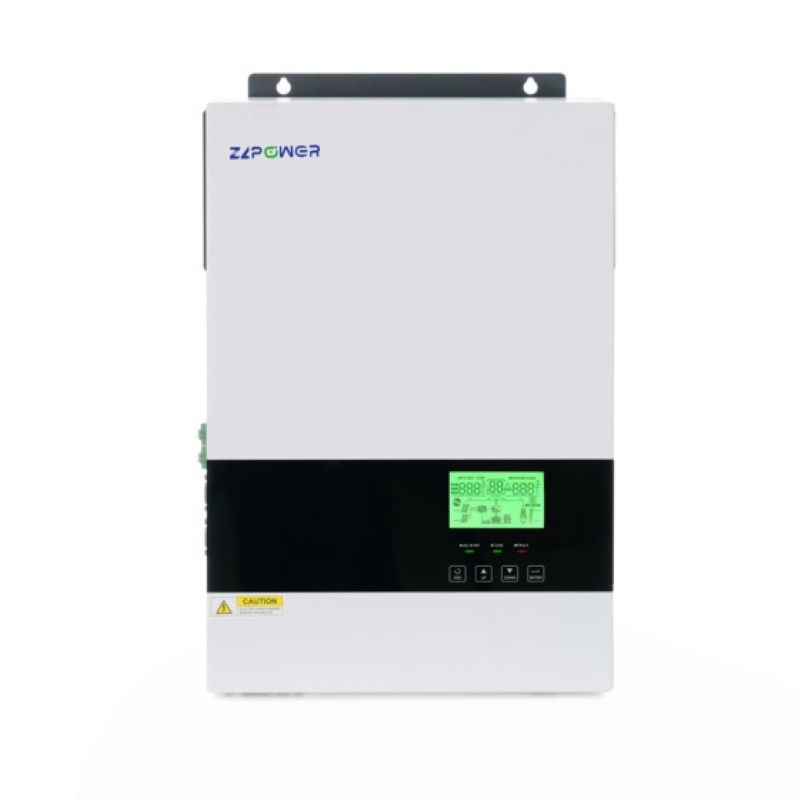
|
Project requirement |
Relevant ZLPOWER product |
Procurement relevance |
|
Capacity added in stages |
PVM Plus 3.5KVA/5.5KVA |
Built-in 80A MPPT, battery-independent operation, and parallel operation of up to nine units |
|
Critical-load separation |
PVX dual-output series |
Dual-output load management, battery-independent operation, and model-dependent MPPT charging capacity |
|
Dust-prone installation |
PVG 3.5/5.2/5.5 kW |
Built-in dustproof components, battery-independent operation, and 80A MPPT |
|
Split-phase loads with high startup demand |
GSII 8/10/12 kW |
Three-times peak power, generator dry contact, optional Wi-Fi, and optional 60A MPPT |
These configurations show why nominal output is not enough. PVM Plus supports staged capacity expansion, while PVX can separate critical and lower-priority loads. PVG provides features relevant to dusty installations, and GSII addresses split-phase applications with demanding startup loads.
Exact specifications should be confirmed against the current data for the selected model. Final selection should follow a verified load schedule and complete system requirements.
The lowest inverter price is not automatically the lowest remote-project cost. A reliable comparison covers architecture, startup demand, battery voltage, MPPT charging, phase arrangement, monitoring, expansion hardware, and commercial exclusions.
ZLPOWER can review the load schedule, largest motor, battery plan, PV specifications, generator input, phase requirement, order volume, and destination. Submitting these details supports a more accurate project quotation and a smoother purchasing process.
Q1: What information is required for an accurate inverter quotation?
A: Include load data, voltage, phase type, battery details, PV input, generator information, monitoring needs, order quantity, and delivery destination.
Q2: Is a hybrid inverter always more expensive than an off-grid inverter?
A: No. An off-grid model with high surge capacity, a larger MPPT charger, or parallel capability may cost more than a basic hybrid unit.
Q3: Which inverter type is more suitable for a weak-grid industrial site?
A: A hybrid configuration is often considered when utility power remains available but unreliable and must work with solar, batteries, or generator backup. The final choice depends on source priorities, load characteristics, required autonomy, and the quality of the available grid.
Q4: How do motor starting loads affect inverter sizing and price?
A: Startup current can be significantly higher than normal running current, depending on the motor type and starting method. Higher peak demand may require stronger surge performance or a higher inverter rating.
Q5: Which costs are commonly excluded from a remote-project quotation?
A: Freight, taxes, certification, commissioning, parallel accessories, communication modules, custom packaging, OEM branding, and project engineering may be excluded. These items should be confirmed before the purchase order.
 ChatNow
 Vania
Vania