
By 2026, the industrial energy landscape has moved beyond simple reliance on fixed grids. Now, it relies on flexible, independent setups centered on the Hybrid Solar Inverter and expansive Industrial Energy Storage. Soaring electricity rates and shaky grid performance push factories to seek clever, adaptable options. These choices help steady daily work while trimming expenses over time.
The financial picture changes quickly. Power costs keep rising in key industrial regions. Meanwhile, lithium setup expenses fall steadily each year. This mix alters how plants, data facilities, and shipping centers plan their power needs.
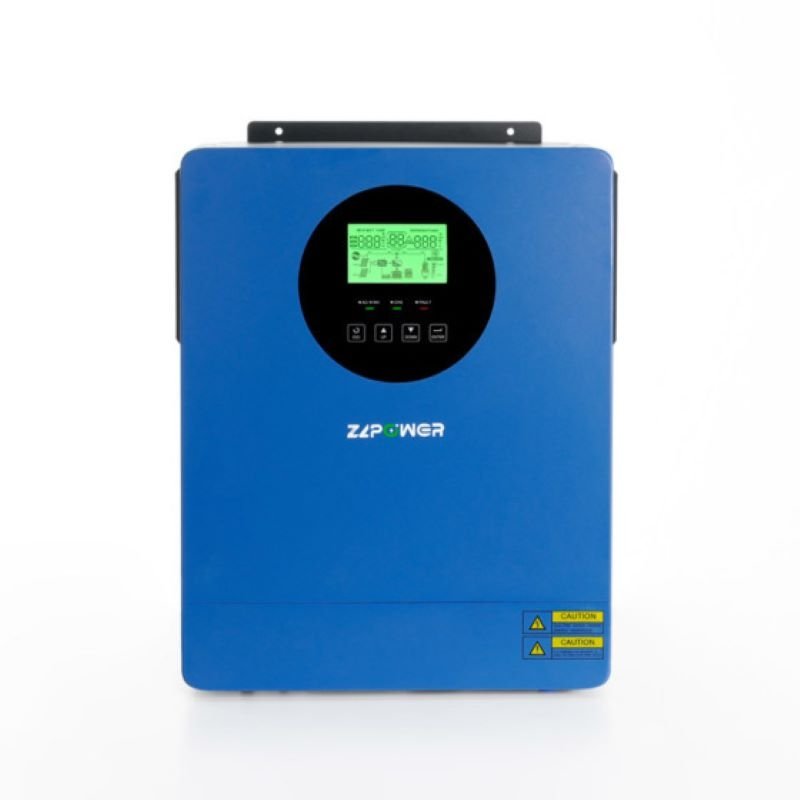
Leading this change is ZLPOWER, a name recognized for its engineering precision and reliability. Shenzhen ZLPOWER Electronics Co., Ltd. operates as a national high-tech firm. It focuses on developing, making, and selling UPS power supply, Power Inverter, Solar inverter, car charging pile, EPS Power supply since 2007. Through its “All-in-One ESS” concept, ZLPOWER blends solar power conversion, battery oversight, and smart regulation into one unified structure. Many view this as the fresh benchmark for toughness in industry.
The core of any All-in-One ESS rests in its chemical makeup. And 2026 signals complete use of LiFePO₄ (Lithium Iron Phosphate) tech in industrial settings. Famous for its built-in steadiness and strong safety history, LiFePO₄ batteries provide more than 6,000 charge cycles with good handling. Longer Cycle Life, cycle life up to 3,500 times, 5 times that of ordinary lead-acid batteries. Help reduce battery replacement costs and overall costs. Such traits suit ongoing heavy-use spots like production sites or data hubs. There, constant operation remains essential.
Linking the inverter and battery setup matters as much as the chemical side. ZLPOWER’s hybrid units use modern BMS communication methods—RS485 and CAN. These keep performance details like voltage evenness, heat management, and charge levels in sync right away. This smart connection stops over-drain issues that often cut battery lifespan. At the same time, it boosts returns by smart cycling.
Yet another key shift involves tight combining. Factory operators step back from stacks of standalone gear. Instead, they turn to ready-made “plug-and-play” enclosures. These join inverter chargers, MPPT controllers, breakers, and batteries into a single adaptable unit. It goes beyond just freeing up room. Plus, it eases setup steps and cuts startup delays.
Factory tasks need steady power without breaks. Even brief moments count for running CNC tools or server groups.ZLPOWER’s hybrid inverter architecture adheres to a 10ms transfer standard, protecting equipment from brownouts or transient voltage drops without perceptible interruption.
Flexibility in running shapes these setups. Here is a breakdown:
|
Mode |
Description |
Ideal Use Case |
|
AC Priority |
Grid serves as primary source while maintaining full battery charge |
Facilities with stable grid access but requiring backup |
|
Battery/DC Priority |
Batteries discharge first to maximize solar utilization |
Plants pursuing carbon-neutral targets |
|
Intelligent Mode |
Predictive switching based on tariff schedules or load forecasts |
Operations optimizing cost through peak/off-peak arbitrage |
This kind of adjustment changes electricity use in industries. It shifts them from mere users to engaged managers of their energy.
Power self-reliance means more than just toughness. It also stands as a money-saving choice. The adaptable build of ZLPOWER’s All-in-One ESS reduces setup work by about 40%. That happens because each enclosure comes pre-set from the factory. It includes built-in cables and software tuning.
Power trading adds yet another way to gain. Facilities store energy in cheap-rate times, like late night to early morning. Then, they release it during high-cost afternoon rushes. This cuts bills from utilities. And it avoids shifts in work routines.
Upkeep has improved as well. Live WiFi checks allow early warnings. They spot issues like inverter tripping before big halts cause major losses. Distant software fixes keep units up to date with changing grid rules. No need to send workers out.
In short, each bit of stored or supplied power from a ZLPOWER system helps lower Total Cost of Ownership (TCO). For finance leaders weighing sustainability goals against profit needs, this adds up to a strong case.
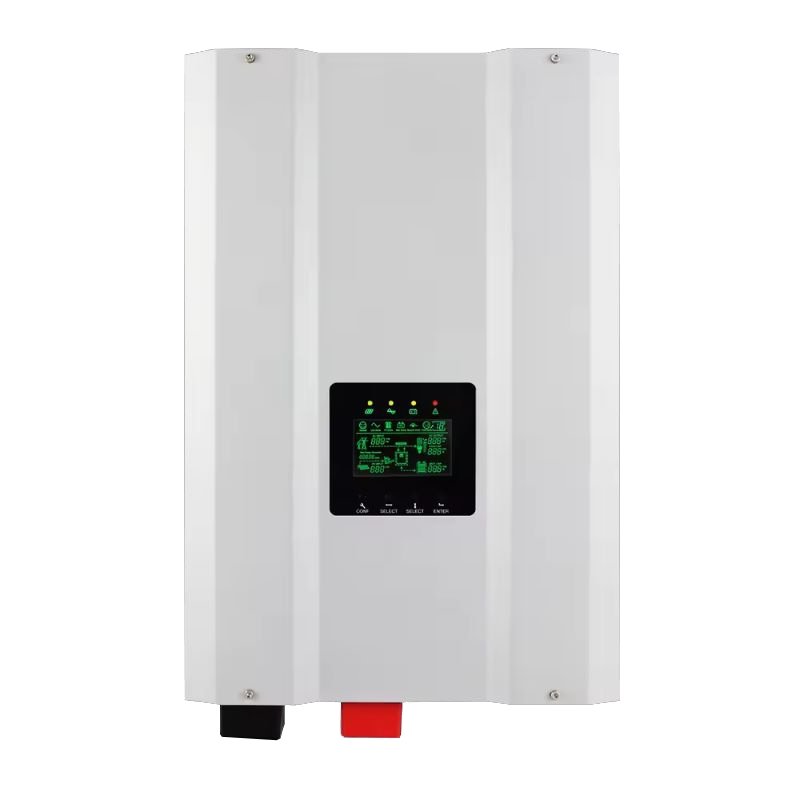
Factory purchasers want solid evidence of steadiness, not just words. For that reason, ZLPOWER items meet worldwide approvals like UL1741, CE, ETL, ISO9001, ISO14001, and ISO45001 for quality checks.
Power output stays crucial. Pure Sine Wave Inverter Charger 1KVA–12KVA versions give smooth sine wave power. They handle up to three times extra load bursts. This proves vital for kickstarting powerful motors or pumps seen in tough sectors.
A practical example comes from manufacturing zones where unstable grids cause frequent voltage dips. Facilities equipped with ZLPOWER hybrid systems maintain operational continuity even when public supply falters—a direct outcome of rapid switching combined with robust lithium storage buffers.
These traits match current rules that stress efficient energy use and staff protection amid shifting power setups.
As factories face 2026 with growing power risks, hybrid solar networks mean over a passing fad. They signal a real upgrade in basic setups. The blend of solar power, lithium battery tech, and smart oversight points to a clear move toward freedom from unsteady grids.
ZLPOWER’s combined method captures this turn. It offers an All-in-One ESS based on exact building and proven strength from countless global sites. The outcome includes less daily risk, clear expense cuts, and a flexible base set for growth. This prepares for coming steps in AI-led power fine-tuning.
Outdated grid models present significant risks to industrial efficiency and continuity. Adopting ZLPOWER’s field-proven energy solutions ensures long-term operational resilience. Contact the engineering team for technical specifications or customized infrastructure integration.
Q1: How does a Hybrid Solar Inverter differ from traditional setups?
A: A Hybrid Solar Inverter handles both solar PV input and battery storage simultaneously—unlike conventional string inverters that only convert DC to AC power. This dual function allows seamless transition between grid-tied operation and off-grid backup during outages without external controllers.
Q2: What kind of batteries work best with ZLPOWER systems?
A: LiFePO₄ batteries are preferred due to their long cycle life exceeding 3,500 cycles according to manufacturer data. They provide stable voltage output suitable for continuous industrial loads.
Q3: Can these systems handle inverter tripping problems under surge loads?
A: Yes. Each unit features pure sine wave output with triple surge tolerance capacity—ideal for heavy machinery startups where current spikes often cause conventional inverters to trip offline.
Q4: What is the typical payback period for installing an All-in-One ESS?
A: Most industrial installations achieve ROI within six to eight years due to lower lithium costs combined with reduced peak-demand charges through smart load scheduling.
Q5: Is it possible to expand storage later if demand grows?
A: Absolutely. ZLPOWER designs its All-in-One ESS modules for parallel scalability via RS485 or CAN interfaces—allowing expansion from small pilot setups (5 kWh) up to large arrays exceeding 30 kWh as operational needs evolve.
 ChatNow
 Vania
Vania