
As renewable energy installations surge in 2026, power grids around the world face big challenges. The rise of distributed solar systems brings chances along with added complexity. Balancing changing energy supply with steady demand takes real effort. Hybrid solar inverter systems help in this area. They give the flexibility and control that modern grids need to stay stable.
Hybrid solar inverters link solar generation, battery storage, and grid connections. They handle energy flows in a smart way. This keeps power ready when it is needed, whether the source is solar panels, batteries, or the utility grid.
ZLPOWER has been a key player in this evolution. The company builds advanced inverter technologies that support commercial and industrial energy stability. Their systems work with smart grid solutions and raise operational efficiency for businesses in a more electrified setting.
The global spread of rooftop and decentralized solar installations has created a lively yet unsteady power scene. More prosumers now send electricity back into the grid. This leads to voltage swings and frequency issues that show up often. The changes put pressure on older grid management methods. Those methods were not made for two-way energy movement.
Battery storage systems grow quickly at industrial parks and commercial sites. Users can hold extra solar power for later use or for outages. Yet without clear control between generation and storage, these setups can lead to waste or extra load on local networks. Pairing an energy storage inverter that has hybrid features helps tie these parts together. It charges when supply is high and releases power when demand rises.
Utilities in many places now set stricter rules for inverters that support the grid. These units must supply reactive power and help with frequency control. Governments push for stronger systems through rules on peak shaving and backup power. Smart grid solutions rely on devices that react quickly to live grid conditions. Hybrid solar inverters fit this need well.
A hybrid solar inverter keeps track of power moving between panels, batteries, loads, and the utility network. This ongoing balance improves power quality and eases strain on transmission lines. PVG comes with an MPPT solar charge controller. It gets the most from DC power produced by the solar array and uses it to charge the battery bank. Maximum power point tracking helps reach better conversion results even when sunlight levels shift.
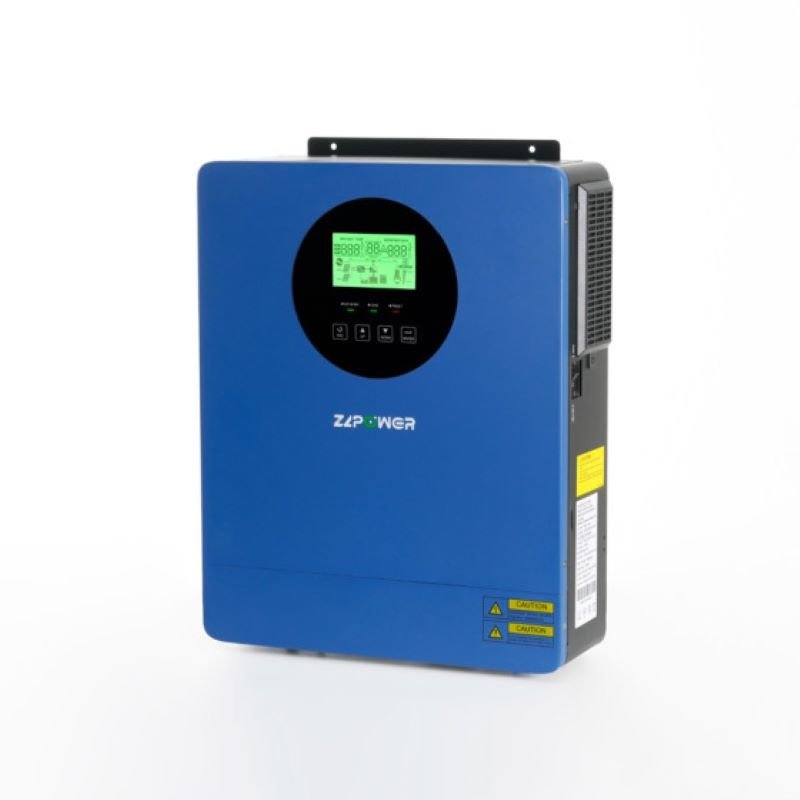
Factories, telecom stations, and remote sites need steady power. Quick switches between on-grid and off-grid modes avoid stops during voltage drops or outages. This multi-functional solar inverter and charger hybrid comes in 3.5KW, 4KW, 5.5KW, and 6KW sizes. It combines a pure sine wave inverter, solar charger inverter, solar grid inverter, and solar hybrid inverter with MPPT. The design gives uninterruptible power support in a compact form. That setup proves useful for operations that cannot afford downtime.
IoT links let operators watch performance from a distance through Wi-Fi or RS232 interfaces. PVM PLUS is a third generation off-grid inverter that adds several new functions. It also includes an RS232 interface for mobile monitoring and supports USB on-the-go to move data up or down. These tools support predictive checks that spot problems early and help keep uptime high across many sites.
|
Trend |
Description |
Benefit |
|
High-Voltage Battery Compatibility |
Growing use of lithium-ion batteries with higher voltage ranges |
Higher efficiency and compact design |
|
AI-Driven Energy Optimization |
Machine learning algorithms forecast load and schedule battery cycles |
Reduced waste and better utilization |
|
Modular Architecture |
Scalable configurations for different project sizes |
Simplified expansion |
|
Enhanced Grid Support |
Functions like reactive power compensation and voltage stabilization |
Improved compliance and reliability |
Lithium-based batteries see wider use because they offer strong energy density and long cycle life. The split-phase hybrid inverter GSII series comes in 8kw, 10kw, and 12kw sizes. It works with LifePO4 batteries even without communication, as well as AGM batteries, GEL batteries, and deep-cycle batteries. This range of options opens more paths for commercial projects.
Artificial intelligence now helps manage assets spread across sites. It predicts use patterns and shifts charging times on its own. The outcome shows less energy lost during quiet periods and smoother load curves that support grid balance.
Businesses favor modular hybrid designs that can expand with operations. Moving from one warehouse system to a full industrial park microgrid becomes simpler. Scalable builds cut future upgrade costs.
Newer hybrid units deliver reactive power control and frequency response that once belonged only to large utility gear. These features match changing interconnection standards in many regions.
ZLPOWER hybrid series are built to handle unstable grid conditions or heavy inductive loads such as motors and compressors. The GS 8kw 10kw12kw 48V DC to AC 220v 230V off grid hybrid solar inverter models manage both inductive and conductive loads. This range of uses suits factories and data centers that run without breaks.
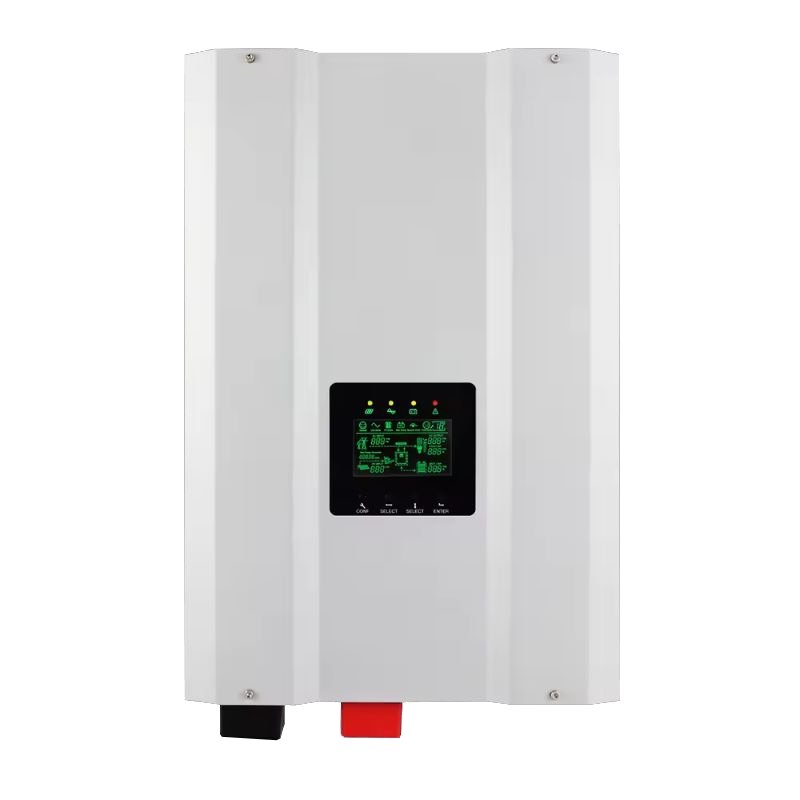
The integrated design covers daily cycling needs and emergency backup cases. Businesses can keep output steady even through longer outages.
LCD screens or cloud dashboards let operators see system numbers in real time. The full LCD display shows user settings and simple button controls for battery charging current and AC or solar charger priority. This view makes checks easier and allows remote changes when needed.
From telecom towers to large industrial parks, ZLPOWER supplies flexible setups that match site needs while holding efficiency levels.
Factories apply hybrid systems to lower peak electricity costs. They shift loads away from high-tariff hours and keep voltage steady for sensitive equipment.
Retail sites and universities use these systems to handle changing daytime loads. The approach also supports sustainability targets set under ESG plans.
Telecom base stations count on reliable backup power. Adding an energy storage inverter gives them independence during blackouts or fuel shortages that hit remote zones.
Solar farms now place hybrids at substation points. This improves how renewable output can be sent out and backs long-term grid modernization aimed at lower carbon levels.
1. Grid Compatibility and Certification Standards – Meeting local utility rules supports safe connection.
2. Battery System Compatibility – Pairing the right chemistry such as LiFePO₄ or GEL with the correct voltage range avoids early wear.
3. Monitoring and Maintenance Requirements – Cloud tools cut the need for frequent site visits.
4. Supplier Technical Support – Engineering help from partners like ZLPOWER supports custom setups for complex load conditions.
Hybrid solar inverters now form key parts of smart grid setups by 2026. They combine renewable generation with storage in one flow. Industries seek stronger protection against outages and higher tariffs. Features such as intelligent control, modular growth, and remote monitoring change how businesses work with power networks. ZLPOWER keeps driving this shift through its product range built for varied commercial uses, from manufacturing sites to telecom points. The systems deliver steady results where stability counts most. For companies planning solar storage upgrades or smart energy projects, consulting with ZLPOWER can help identify efficient hybrid inverter solutions tailored to specific operational requirements.
A: A hybrid solar inverter handles solar generation, battery storage, grid interaction, and backup tasks inside one unit. This cuts hardware needs and raises overall efficiency.
A: They steady shifting renewable inputs by controlling voltage, aiding frequency response, and easing peak demand on utilities. These steps matter for current smart grid solutions.
A: Manufacturing plants that need steady power quality, telecom setups that require backup, and commercial buildings that follow sustainability targets all gain clear value from these systems.
A: They guide charge and discharge cycles with MPPT technology. Stored energy gets used at the right times and battery life extends during regular operation.
A: Check certification that matches local grids, fit with chosen battery types like LiFePO₄ or AGM, access to remote monitoring, room for growth, and solid technical support from makers such as ZLPOWER.
 ChatNow
 Vania
Vania