
For companies that use solar or hybrid power systems, picking the right inverter is more than a technical choice—it’s a smart business move. Inverters are the heart of the power setup. They turn DC power from solar panels or batteries into AC power that runs everyday equipment.
An inverter that is too small can cause frequent shutdowns. It may damage sensitive devices or lead to equipment failures. On the flip side, choosing one that is much larger than needed raises costs. It can also waste energy. This guide gives a clear, step-by-step method. The goal is reliability, efficiency, scalability, and safety for commercial use.
In business settings, inverters convert DC power from solar panels or batteries into AC power. This AC power runs standard office and factory equipment. It allows companies to rely on renewable energy or backup power when the grid is down or expensive.
Inverter systems keep key operations running. Examples include data centers, cooling units, and assembly lines.
Modified sine wave inverters are usually not good for business use. Their output is not clean enough for sensitive gear. They can create noise or cause overheating in printers, medical devices, or other equipment.
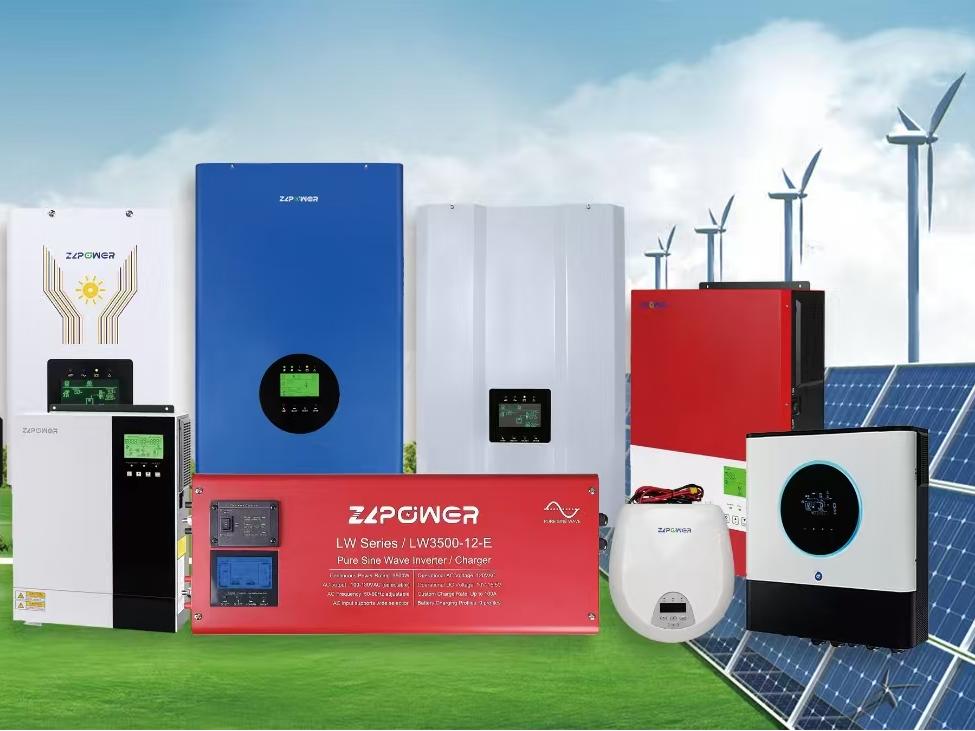
Pure sine wave inverters are the best option for professional settings. Models like Pure Sine Wave Inverter Charger 1KVA-12KVA come with LCD displays. They meet many commercial requirements. The clean waveform works well with all kinds of devices, including motors and computers.
Begin by making a list of every electrical item in your facility. Include:
l Office gear: computers, monitors, servers, printers
l Commercial units: refrigerators, air conditioning, manufacturing machines
l Lighting and support systems: LED lights, emergency setups, security equipment
Check the nameplate or manual for power details. Look for watts (W), volts (V), and amps (A). Use this formula if needed: Power (W) = Voltage (V) × Current (A).
Note which items run at the same time. Others may only turn on now and then.
Add up the power needs of all devices that operate together. This total is your base load. It sets the starting point for inverter sizing.
Continuous power is the steady amount the inverter supplies during normal use. Surge power is the short burst needed when some devices start up.
Many business items draw extra power at startup. Common examples are:
l Motors and compressors
l Air conditioning units
l Elevators
l Pumps
Startup current can be 6–10 times higher than normal running current.
The inverter must handle these surges without tripping. Models like PW Series 8KW 10KW 12KW Solar Power Inverters offer strong surge handling. They can manage “3 times peak power.”
In daily operations, unexpected spikes happen. Several devices may start at once. Seasonal changes can increase demand. A safety margin prevents overloads. It protects the inverter and connected equipment.
Most experts suggest adding 20–30% extra capacity above your calculated running load. For tough industrial sites, a larger buffer may be wise. It depends on how critical uptime is.
Think ahead about future needs. You might add new machines or expand cooling systems. Pick an inverter that allows easy upgrades. Modular designs work well for growing companies.
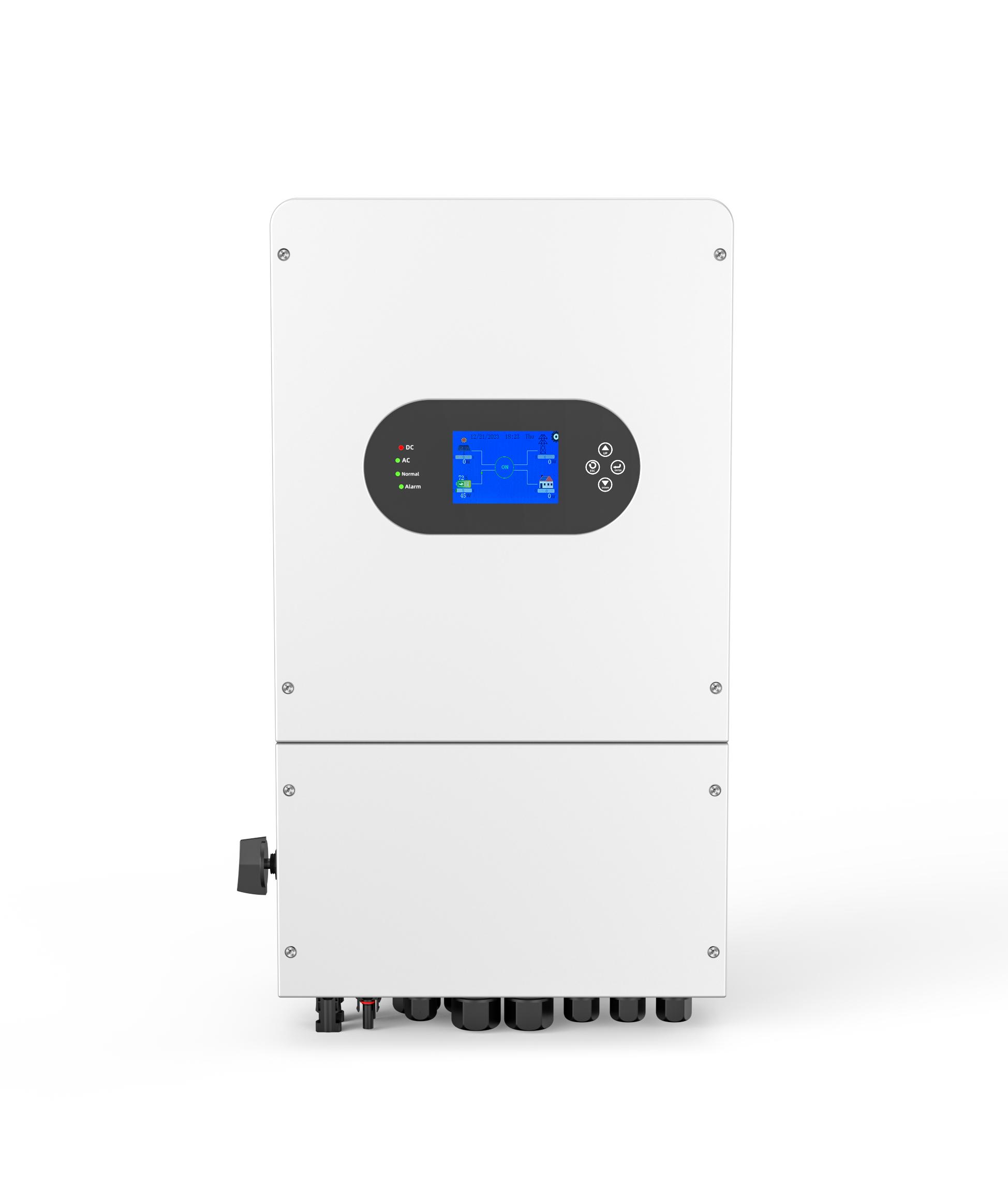
The inverter and batteries must work at the same voltage. This ensures smooth operation. Models like GSII 8KW 10KW 12KW Split Phase Hybrid Solar inverters support various battery types. These include LifePO4 and GEL batteries.
Commercial setups often use 24V, 48V, or higher voltages based on size.
The battery bank needs enough storage for peak loads. It should avoid voltage drops during surges. Longer Cycle Life batteries last up to 3,500 cycles. That is five times longer than standard lead-acid types. This lowers long-term costs.
A small inverter can cause:
l System overloads
l Equipment breakdowns
l Major downtime
This is risky in fields like healthcare or security where constant power is vital.
Going too big seems safe. But it raises initial costs. It also lowers efficiency when loads are light.
Skipping surge needs often leads to shutdowns. This happens when motor equipment starts up. Operations get interrupted.
Off-grid sites rely fully on inverter and battery setups. Careful sizing with extra margin is key. It prevents problems during bad weather or high usage.
The PVG includes an MPPT solar charge controller. It can run without batteries connected. This suits remote locations.
These use the utility grid as backup. Solar power gets priority. Grid-tied inverters must follow local rules. They need high efficiency across different loads.
Hybrid setups mix solar, batteries, and grid power. They provide the best backup. PVM PLUS is a third-generation off grid inverter. It has new features and smart load control through an LCD screen.
Double-check your load calculations before buying. Review wattages, surge ratings, and daily patterns.
Companies like ZLPOWER provide many options. Our pure sine wave solar inverters range from 1KVA to 800KVA. These fit various industries.
Work with qualified experts or energy advisors. They ensure smooth integration with your electrical system.
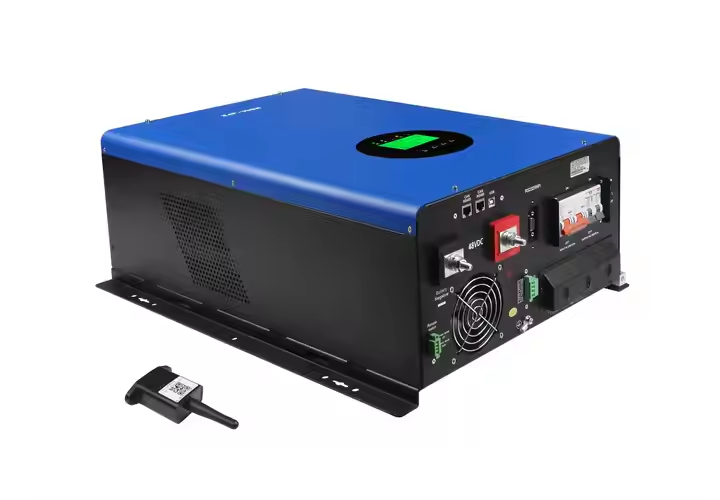
A well sized inverter supports smooth operations. It improves energy use and allows future growth. Follow the steps: list loads, handle peak demand, add safety margins, and check compatibility. This creates a strong power foundation for today and tomorrow.
High-quality units like pure sine wave inverter chargers with LCD displays boost performance. They cut long-term costs. These are valuable for any business that needs steady power.
A: A power inverter changes DC electricity from solar panels or batteries into AC power. Business equipment needs AC power. It keeps computers, machines, HVAC, and other loads running reliably.
A: Calculate your total running load. Factor in startup surges. Add safety margins. Skipping surges or growth plans can cause instability.
A: Yes. A correctly sized pure sine wave inverter works safely with many devices. This includes sensitive electronics, motors, and heavy machinery.
A: An undersized unit may shut down or harm equipment. An oversized one costs more upfront. It can also run less efficiently at low loads. Right sizing brings reliability and savings.
 ChatNow
 Vania
Vania