
As energy needs around the world keep growing, the need for smarter and more effective energy systems has grown too. This is especially true for renewable energy. Solar and battery storage setups need careful planning to stay reliable, tough, and affordable. One key decision in building a solar system is picking the right inverter type. You choose between single output and dual output inverters. This decision can greatly affect system performance, how energy is used, and overall savings.
Inverter tech has improved to fit different needs. Single output inverters are still common in many setups. But dual output inverters give better control, options, and dependability. These advantages stand out in mixed systems that combine solar power, batteries, and the grid. For home users and big project builders, advanced inverters like those from ZLPOWER can provide better energy control.
A single output inverter is the simplest type. It is often seen in solar setups. It changes direct current (DC) from solar panels or batteries into alternating current (AC). It sends power through one main AC output. These inverters work in both grid-connected and off-grid systems. They are used when there is no need to separate different loads.
Single output inverters fit well in systems with similar load needs. All connected devices get power the same way. They are easy and simple to install. But they lack options. This limits them in more complicated or important uses.
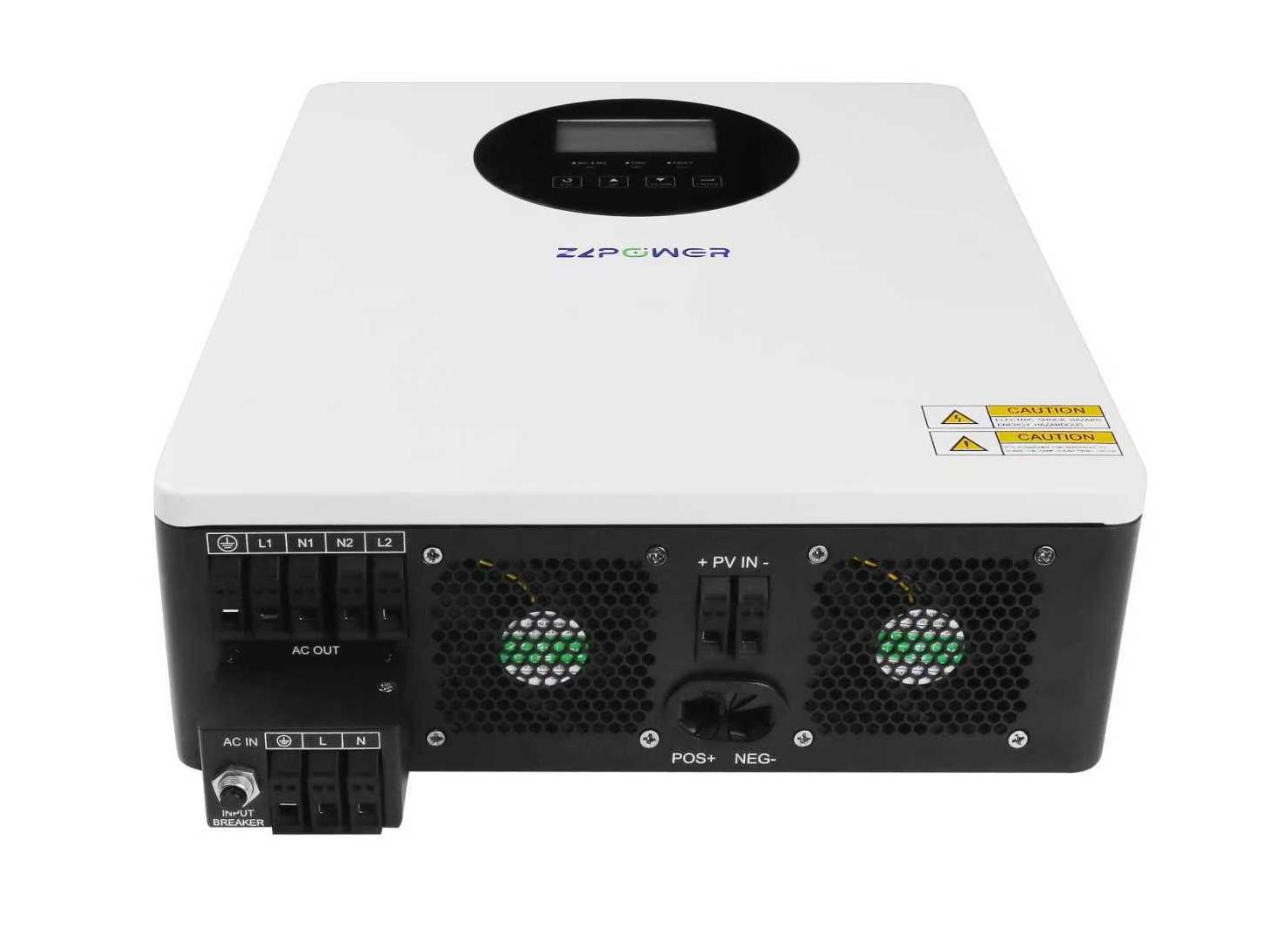
A dual output inverter is a more advanced device. It can provide two separate AC outputs on their own. This lets users separate and rank different loads. For example, key circuits versus regular ones.
The dual output feature lets you divide key and regular loads. This improves control of your electrical devices. This split is very helpful during power shortages or blackouts. Keeping vital devices running is then the main goal.
Single output inverters treat all loads the same. Dual output models offer a better way to assign energy based on needs and available power.
One strong feature of dual output inverters is handling two separate output paths. This allows ranked load control. Important systems like medical equipment or communication setups can run on one circuit. Regular loads like entertainment devices can go on the other.
Key loads, such as medical equipment and computers, can get priority. They receive power first. Less vital devices can be handled based on shortages. This gives more options than basic single output units.
Dual output inverters also improve energy use. They send available power in a smarter way. Power is not spread evenly no matter the need. It goes where it matters most. This cuts waste and boosts system performance. These gains are big in mixed setups. They depend on changing links between solar output, battery use, and grid power.
Dual output features greatly improve hybrid solar inverter systems. Hybrids mix grid-connected work with off-grid options. They allow smooth switches during blackouts. They also make the best use of solar and battery storage.
PVX4.0K-6.0K Off-Grid dual output Inverter. The dual output function allows you to separate important and unimportant loads for better management of electrical equipment. Single output hybrids do not have this fine control. Dual output hybrids let users rank key circuits during blackouts. They reduce extra battery or grid use.
This increases toughness. It also boosts daily performance. By smartly choosing how each circuit works, users can get the most from solar. They also save battery life.
When comparing dual and single output inverters, several main differences appear:
· Load Prioritization: Dual output models let you separate key and regular loads clearly. Key circuits stay on during blackouts. Single output inverters do not allow this split.
· Energy Management Flexibility: Dual outputs provide custom control over power distribution. It is based on load rank or usage times. Single outputs give even delivery with little change.
· Resilience During Outages: In blackout cases, dual output systems keep power to vital systems. They drop non-key loads. Single output systems handle all devices the same. They may use storage without care.
· Scalability: In bigger or more complex projects with varied loads, dual outputs offer needed options to grow well. Single outputs are simpler but less fit for split load setups.
Adding a dual output inverter to a solar-plus-storage project brings several practical gains:
· Optimized Energy Usage: Ranked load distribution makes sure limited power is used wisely. It lowers grid reliance.
· System Resilience: Key systems stay powered during blackouts or low production times.
· Cost Savings: Smart load control cuts extra use. It lengthens battery life.
· Superior Hybrid Performance: Systems like ZLPOWER’s PVX4.0K-6.0K offer better hybrid features. They include advanced MPPT charging and load split.
Equipped with a built-in 100A Maximum Power Point Tracking (MPPT) solar charger… improving the management of your electrical equipment.
For big projects like utility setups or multi-building sites, buying dual output inverters wholesale has clear gains:
· Cost Efficiency: Buying in bulk reduces cost per unit.
· Consistency: Same equipment across setups ensures steady performance.
· Simplified Maintenance: Matching systems make service easier. They cut training needs for workers.
· Supplier Support: Firms like ZLPOWER provide warranties, tech help, and logistics for big orders.
ZLPOWER has passed ISO9001 and ISO14001 certificates, its products are sold all over the world, mainly exported to Europe, the United States, Canada, South Africa, the Middle East and other regions.
In homes with solar and backup:
· Dual Output: Provides key load ranking—fridges, lights, routers—during grid failures.
· Single Output: Good for basic setups where all devices are handled equally.
In stores or offices:
· Dual Output: Keeps security systems or servers running without break. It handles HVAC or lights differently.
· Single Output: Fits where all equipment has similar rank.
In factories or plants:
· Dual Output: Allows peak shaving by splitting heavy machines from support systems.
· Single Output: Works for small industrial setups without complex load ranks.
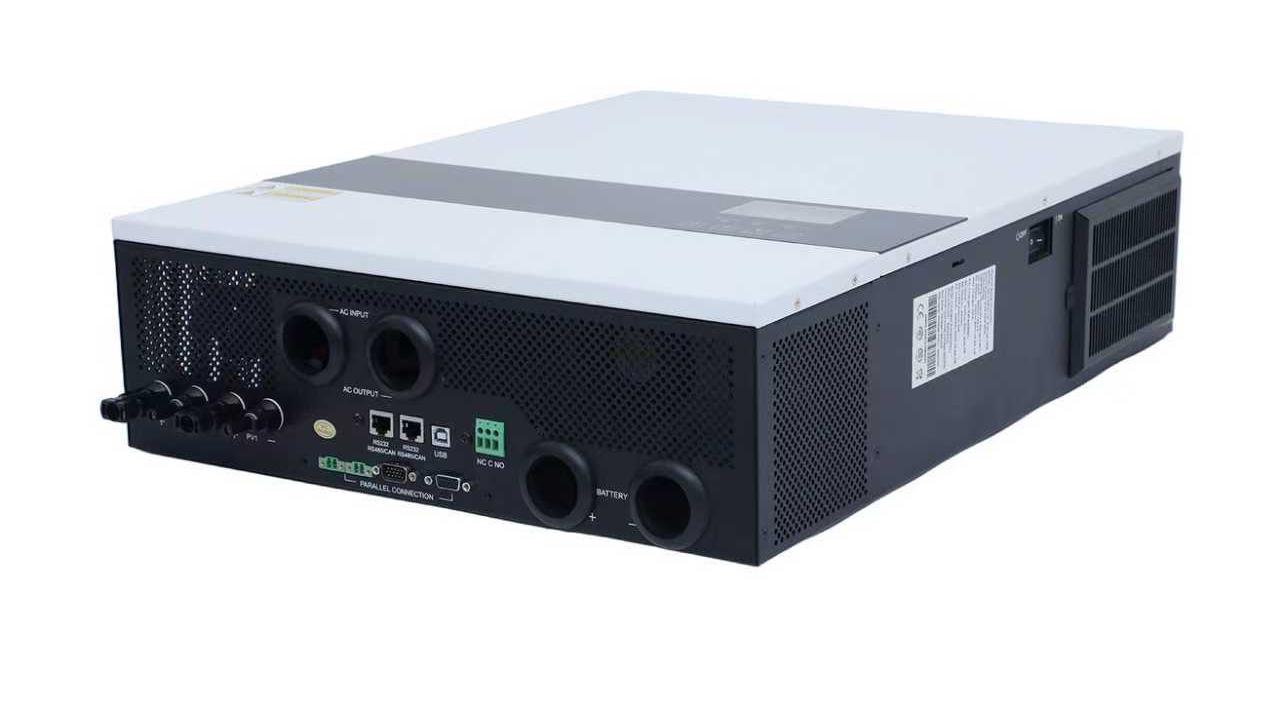
Dual output inverters provide control, efficiency, and toughness that single output models cannot equal. This is especially true in today‘s solar-plus-storage systems. Their skill in handling key versus regular loads makes them vital for smart energy uses in homes, businesses, and industry.
With advanced models like ZLPOWER’s PVX series that include pure sine wave solar inverter tech and high PV input voltage range, designers can build strong hybrid solutions. These maximize uptime and cut costs. For big projects wanting steady performance and long-term value, buying wholesale adds strategic gains. It further improves system dependability and returns.
ZLPOWER’s focus on quality production and worldwide sales makes it a reliable partner for installers and builders. They need scalable inverter options for current complex energy needs.
A: A dual output inverter is an advanced device that gives two separate AC outputs. It allows split and ranking of key and regular loads for better energy control in solar and storage systems.
A: Single output inverters deliver power through one main AC output. They treat all loads equally. Dual output inverters allow separate control of two outputs. They offer load ranking, more options, and better toughness during blackouts.
A: A dual output inverter improves hybrid systems by better assigning energy. It ranks key loads during shortages. It reduces grid use, lengthens battery life, and boosts overall efficiency and dependability.
 ChatNow
 Vania
Vania