
As we enter 2025, power systems keep changing fast. People want more energy savings, green options, and reliable grids. Inverter tech sits at the center of this change. It controls how energy gets handled, changed, and used in solar setups. Early systems were basic on-grid or off-grid. Now, advanced hybrid options are common. Inverters help get the best results, cut costs over time, and give energy freedom.
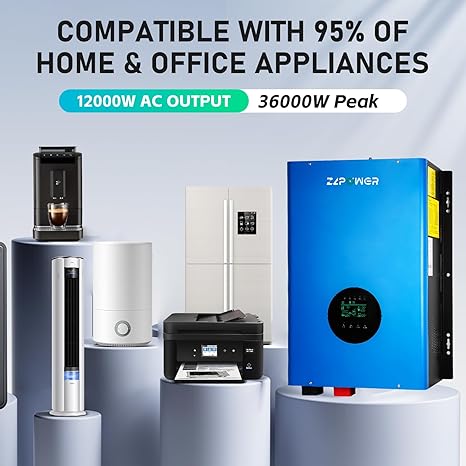
Moving from old inverters to better dual inverter setups is more than a tech update. It‘s a smart plan for energy that lasts. This piece looks at the differences between dual inverter and standard inverter systems. It helps you see their features, drawbacks, and benefits for projects in 2025.
On-grid inverters link up with the main power grid. They turn DC power from solar panels into AC power. This supplies homes or businesses. Extra power goes back to the grid. Users often get credits from net metering.
Pros:
· Easy and cheap to set up.
· Good use of solar power by sending extras to the grid.
· Little upkeep needed.
· Helps lower power bills with net metering.
Cons:
· No backup if the grid goes down.
· Relies fully on the grid‘s stability.
· Not much control over using your own power first.
Off-grid inverters work without the main grid. They use battery storage for steady power. This suits remote spots or areas with poor grid service.
Pros:
· Total freedom from the grid.
· Steady power in remote or risky areas.
· Great for farms or country houses.
Cons:
· Bigger starting costs for batteries and setup.
· Harder to design and run.
· Growing the system can need big changes.
The limits of single-type systems have pushed for dual inverters. These are hybrid types that mix on-grid and off-grid features. They include smart tools like battery control, source priorities, and easy switches between power options.
PVM Hybrid on off grid Inverter 24V 3.5KW 48V 5.5KW mixes the roles of a pure sine wave inverter, solar charger inverter, solar grid inverter, and solar hybrid inverter with MPPT. It gives steady power support in a small package.
Dual inverters smartly handle power from different places—solar panels, batteries, and the grid. They give the best output based on what‘s happening now.
Key Functions:
· Use solar power for your needs first, before the grid.
· Switch to backup power automatically if the grid fails.
· Adjust usage with time-based or peak-cut options.
· Work smoothly with the grid for bringing in or sending out power.
With grid issues and green goals rising, dual inverters give a forward-thinking answer. They adjust to today‘s and tomorrow‘s needs.
Advantages:
· Power stays on during outages or weak grid times.
· Better use of your own power cuts grid dependence.
· Peak cutting avoids high bills when demand is high.
· Ready for future changes with flexible setup.
· Helps keep the grid steady with controlled exports.
· Lowers environmental harm by making best use of clean energy.
PVX4.0K-6.0K Off-Grid dual output Inverter lets you split key and non-key loads. This makes managing your equipment better.
Picking between standard inverters and dual inverter systems relies on a few key points. Old systems might still work in some cases. But dual inverters are often the top pick for full performance and growth.
Considerations:
1. Energy Freedom Aims – Do you want total independence or some grid help?
2. Grid Dependability – Are outages or voltage drops common in your area?
3. Upfront Cost vs. Future Savings – Can you spend more now for lower bills later?
4. Growth Plans – Will you add EVs or new structures?
5. Rules and Benefits – Do local policies support net metering or hybrid setups?
6. Green Goals – Is cutting your carbon output important?
ZLPOWER is a national high-tech enterprise specializing in the research and development, production, and sales of UPS power supply, power Inverter, solar inverter, offering a wide range of hybrid and dual inverter solutions tailored for modern applications.
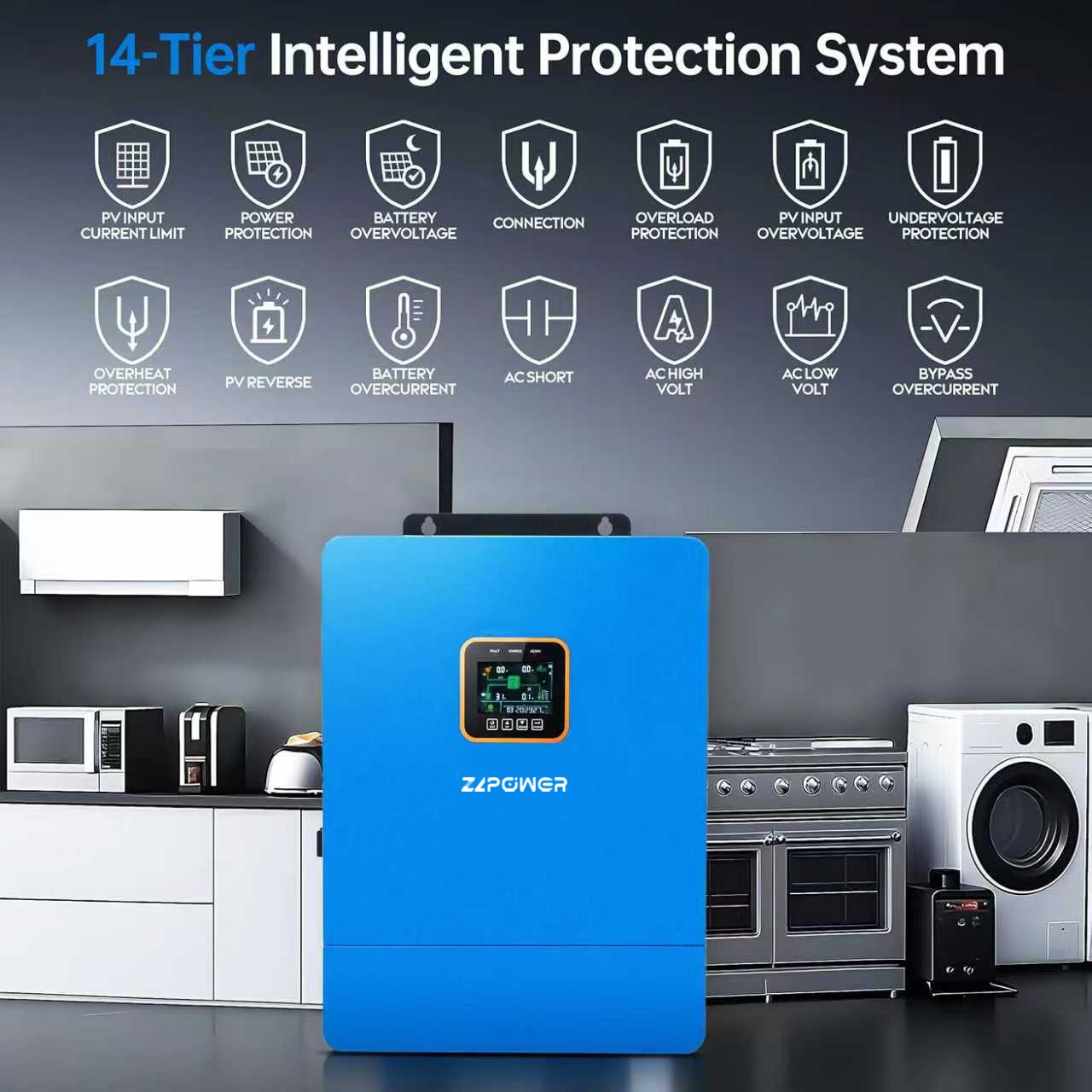
Dual inverter systems mark a big step up from old inverter types. They add smart energy control, battery support, and flexible modes. In 2025 and later, projects needing reliability, savings, and green focus will gain a lot from dual inverters over basic ones.
For home solar, business sites, or off-grid needs, dual inverters offer the adaptability and smarts for the changing energy world. Switching from old systems is more than an update—it‘s a wise step toward energy solutions that last.
Ready to take your energy system into 2025? Discover how ZLPOWER can help you make the smart switch.
· Explore our full range of dual inverter models with advanced features.
· Connect with ZLPOWER experts for personalized project consultations.
· Contact your nearest ZLPOWER location to get started today.
A: A traditional inverter is usually either on-grid (grid-connected only) or off-grid (relies on batteries). A dual inverter (also called hybrid) mixes both. It allows easy switches between solar, battery, and grid power.
A: Yes. Unlike standard on-grid inverters that stop during outages, dual inverters switch automatically to battery or solar for steady supply.
A: Dual inverters cost more at first because of extras like battery control and MPPT charging. But they save money long-term with better resilience and power use.
A: No. Many dual inverters (hybrid types) can run without batteries in grid mode. Adding batteries gives full backup and off-grid options for more choices.
 ChatNow
 Vania
Vania