
Off-grid solar power has moved far beyond small cabin systems. In many export markets, it now supports telecom shelters, farms, border stations, small factories, mining camps, island facilities, and backup power rooms where the grid is weak or simply not there. In those places, inverter maintenance goes beyond simple dusting. It centers on keeping visibility, stability, and control over the whole off-grid power system.
For B2B buyers who handle large-scale or export projects, the main challenge comes from cutting downtime and skipping expensive site visits. Keeping an off-grid inverter running well in tough spots—where heat, dust, humidity, and voltage swings stay constant—calls for a remote-ready method.
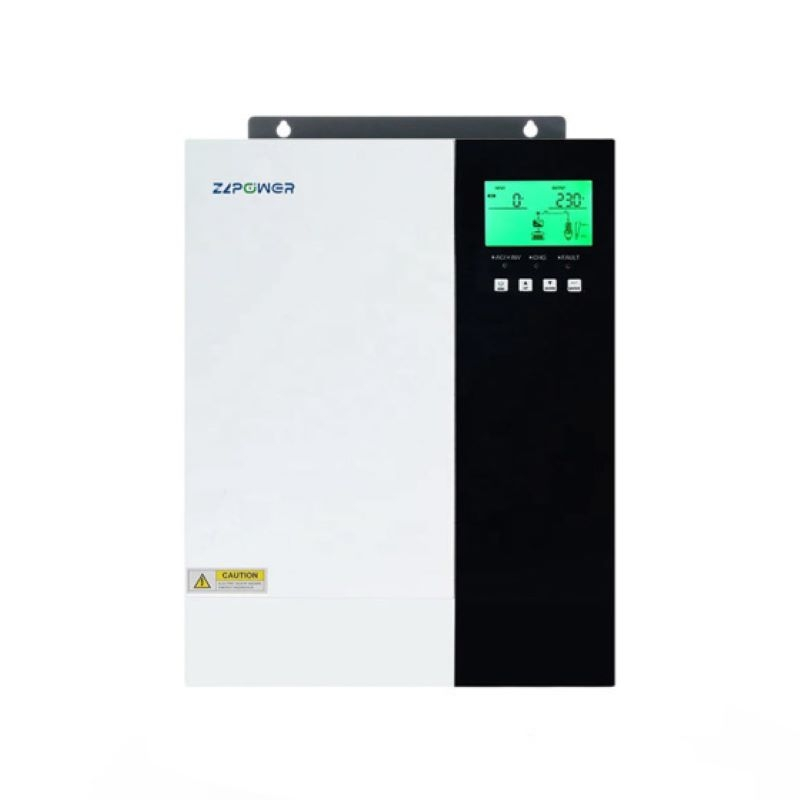
ZLPOWER off-grid solar inverters can be matched with different field needs, from compact off-grid systems to dusty outdoor applications and critical-load projects.
Remote sites face conditions that wear down gear fast. High temperatures speed up part wear. Dust blocks airflow paths. Humidity eats at terminals and boards. Shifting loads from motors or pumps add extra strain on the solar inverter. This can cause early failure without steady checks.
Distributors and EPC contractors who manage telecom or industrial setups see downtime as direct trouble. One inverter fault can break communication links, stop water pumps, or shut down key security setups. Proactive inverter maintenance plans, especially those with remote monitoring, catch small issues before they grow into full stops.
Export markets often place project sites far from service teams. Remote-ready maintenance lets technicians check operating data, review fault logs, and set up fixes without extra travel. This cuts costs and speeds up response when problems show up.
Heat stress ranks as one of the top risks to inverter life. Maintenance crews need to keep good airflow around units. They must also confirm fans and vents stay clear. Basic steps like adding shade to outdoor boxes can stretch the life of an off-grid solar inverter.
Dust buildup causes real trouble in farm or mining areas. It lowers cooling power and can set off overheating warnings. Regular checks with dry tools keep things steady without letting water in.
In wet or coastal zones, corrosion can harm inner parts over time. Regular looks at cable entries, ground points, and box seals count as key steps for long-term use.
Off-grid setups often run mixed battery types or changing loads. Wrong charge settings can bring frequent alarms or shorten battery life. Setting values to match each battery type—lithium, AGM, GEL—helps hold steady output.
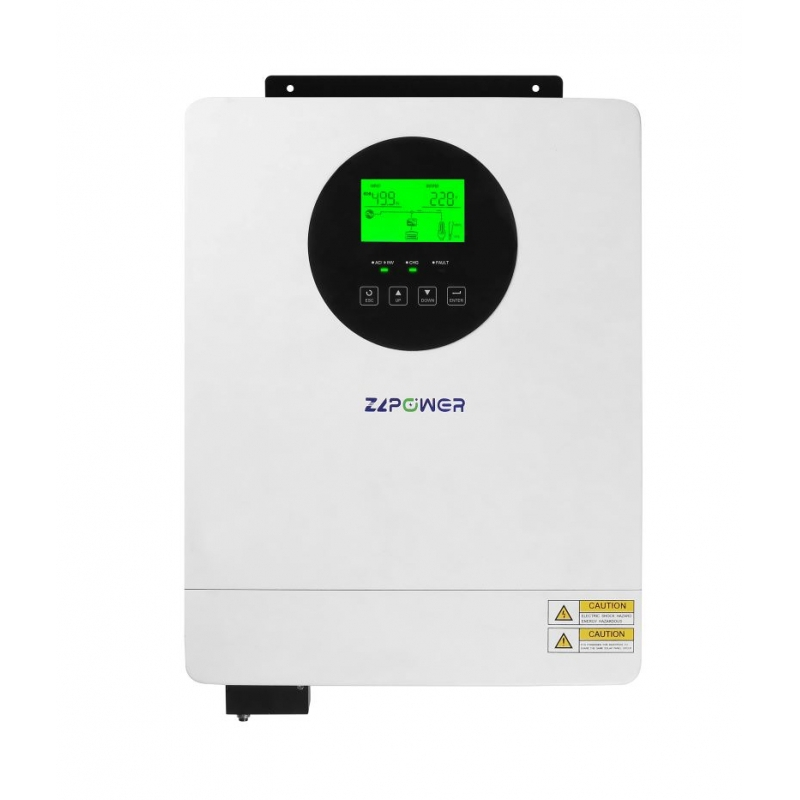
PVM PLUS is a third generation off-grid inverter with many new functions. Its full LCD screen gives user-set options and simple button use. Battery charge current, AC/solar charger priority, and input voltage limits can all adjust for different jobs. It also includes an RS232 port for mobile monitoring and supports USB on-the-go for data moves. These points suit compact systems and support parallel expansion of up to 9 units for three-phase industrial demands, ensuring scalability.
PVG comes with an MPPT solar charge controller. This unit pulls and controls DC power from the solar array to charge the battery bank. Its full LCD screen gives user-set options and simple button use. Battery independency design lets the inverter run without a battery attached. This unit features a dedicated anti-dust kit specifically designed for harsh field conditions, allowing it to deliver reliable high-frequency performance in mining camps or remote farms.
The PVX model handles dual-output load control. It lets crews split essential items like communication gear from secondary loads like extra lights. This keeps critical work running even when battery levels drop.
|
Task |
Description |
Frequency |
|
Data Review |
Analyze voltage trends, alarm logs |
Monthly |
|
Ventilation Cleaning |
Check vents/fans after safe shutdown |
Monthly |
|
Cable Inspection |
Tighten terminals; check corrosion |
Quarterly |
|
Charging Settings Review |
Match parameters to battery type |
Quarterly |
|
Load Prioritization |
Verify critical/non-critical separation |
Setup phase |
|
Record Keeping |
Log all service actions & updates |
Continuous |
Regular notes help with warranty claims and build trust between distributors and end users.
Uptime matters most here. Focus stays on surge protection, ground quality, steady DC supply to transmitters, and regular review of remote alarms through ports like RS232 or USB logs.
Farm projects deal with high dust from soil work in dry months. Cleaning airflow paths before peak irrigation keeps pumps smooth. Checking battery charge cycles also stops seasonal stops.
Mining spots mix vibration with dust. This creates a hard setting for electronics. The PVG model’s anti-dust build helps by allowing longer gaps between cleanings.
Sites that run refrigeration or cameras need steady sine wave output from their off-grid inverter setups. Regular review of overload records helps avoid heat cutoffs during busy periods.
Supplying setup guides that list maintenance steps gives clients clear proof of product strength and support after the sale.
Highlighting models with mobile monitoring ports or downloadable logs shows how fewer site visits add up to real savings over time.
Each project brings its own site demands. PVM Plus works best for compact systems that need simple data access. PVG fits dusty outdoor work. PVX handles cases where load split matters. Right model choice cuts future service issues.
Small alarms are often the first warning. Repeated low-battery warnings, temperature alerts, or overload records should be reviewed early. Waiting until shutdown usually means higher service cost.
Cleaning while the inverter is operating is risky. Proper power isolation should come first. Water, wet cloths, and aggressive cleaners should not be used near electrical components.
Poor location causes many long-term problems. Direct sunlight, sealed rooms, rain splash, poor airflow, and heavy dust all reduce service life. A good location is part of maintenance, even before maintenance begins.
Remote-ready maintenance changes how teams handle off-grid energy systems around the world. Industrial users in tough climates—from African mines to Southeast Asian farms—need more than clean hardware. They need steady visibility over every watt produced.
ZLPOWER’s range of off-grid solar inverters, including PVM Plus, PVG, and PVX series units, gives practical options with built-in ports that simplify checks even from far away. For telecom, agriculture, mining, warehouse, and industrial backup projects, a well-matched solar inverter and a clear maintenance plan can make daily operation much easier.
For distributors who want solid long-term answers that mix durability with smart monitoring, ZLPOWER offers a steady partner in modern off-grid energy work.
It lets project teams watch real-time system status from a distance. They can check voltages, load behavior, or alarms without travel each time a warning appears.
Common causes include too much heat from blocked airflow, dust inside boxes, loose cables from vibration, corrosion from humidity, wrong battery matches, or uneven load patterns.
The PVG high-frequency model comes with a specialized anti-dust kit specifically engineered for harsh field conditions common around mines or desert sites where dust stays common.
For tough sites with heat or sand, monthly visual checks plus quarterly detailed reviews work well to keep performance steady through seasonal shifts.
They can pick the right model for each setting (PVM Plus for compact work, PVG for rough outdoor spots, PVX where load split helps), train users on basic checks, keep clear service notes, and use remote data tools built into current ZLPOWER units.
 ChatNow
 Vania
Vania